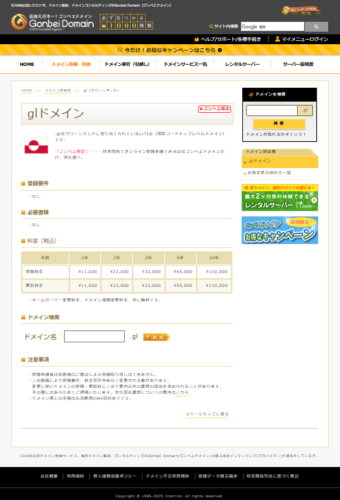
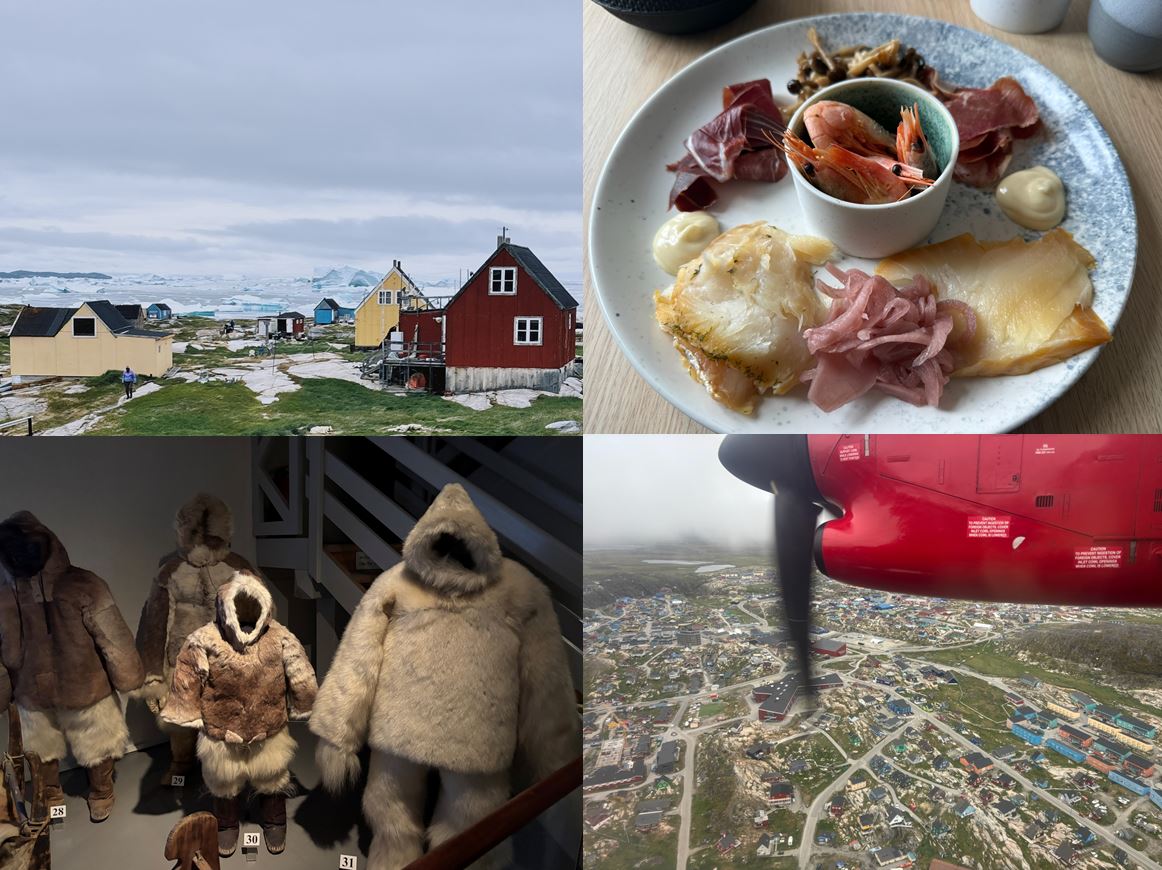
Surrounded by beautiful fjords, Greenland is the world’s largest island, and is rumored to have more dogs than people. On May 5, 2025, in an interview with NBC News, US President Trump stated, “We need Greenland very badly” and expressed interest in buying the island. We went to check out Greenland, which, despite being at the edge of the world, is now attracting global attention. The ccTLD for Greenland is “.gl“.
◆Where is Greenland?
Greenland is an autonomous territory of the Kingdom of Denmark and the world’s largest island. Two-thirds of Greenland are within the Arctic Circle and its landmass is mostly covered by an ice sheet. The largest town is Nuuk, one of the world’s least populated capitals. In Greenland, the sun doesn’t set during the summer, a phenomenon known as the “midnight sun”, while in winter, the sun doesn’t rise, a phenomenon known as the “polar night”. The harsh natural environment, including these long periods of darkness, combined with complex social and historical factors, has made Greenland the subject of research and debate as a region with an extremely high suicide rate. With a total area of approximately 2.16 million square kilometers, Greenland is the world’s largest island. It has a population of approximately 56,000 people. The currency used is the DKK. The official languages are Greenlandic (Kalaallisut) and Danish.
* As of July 2025
= Table of Contents =
◆The Colorful Streets of Nuuk, Bitterly Cold Even in Summer
◆The National Museum, Home to Baby Mummies and Japanese Literature
◆Greenland’s Only Record Store, Owned by a Musician That Has Performed in Japan
◆Ilulissat: Where Spectacular Icebergs Are a Common Sight
◆Oqaatsut : A Village of 40 People with Only One Water Tap
◆“Inuit Café”, the Place to Enjoy Musk Steak
◆Finding .gl Around Town
◆Local SIM Speed Test
◆The Colorful Streets of Nuuk, Bitterly Cold Even in Summer
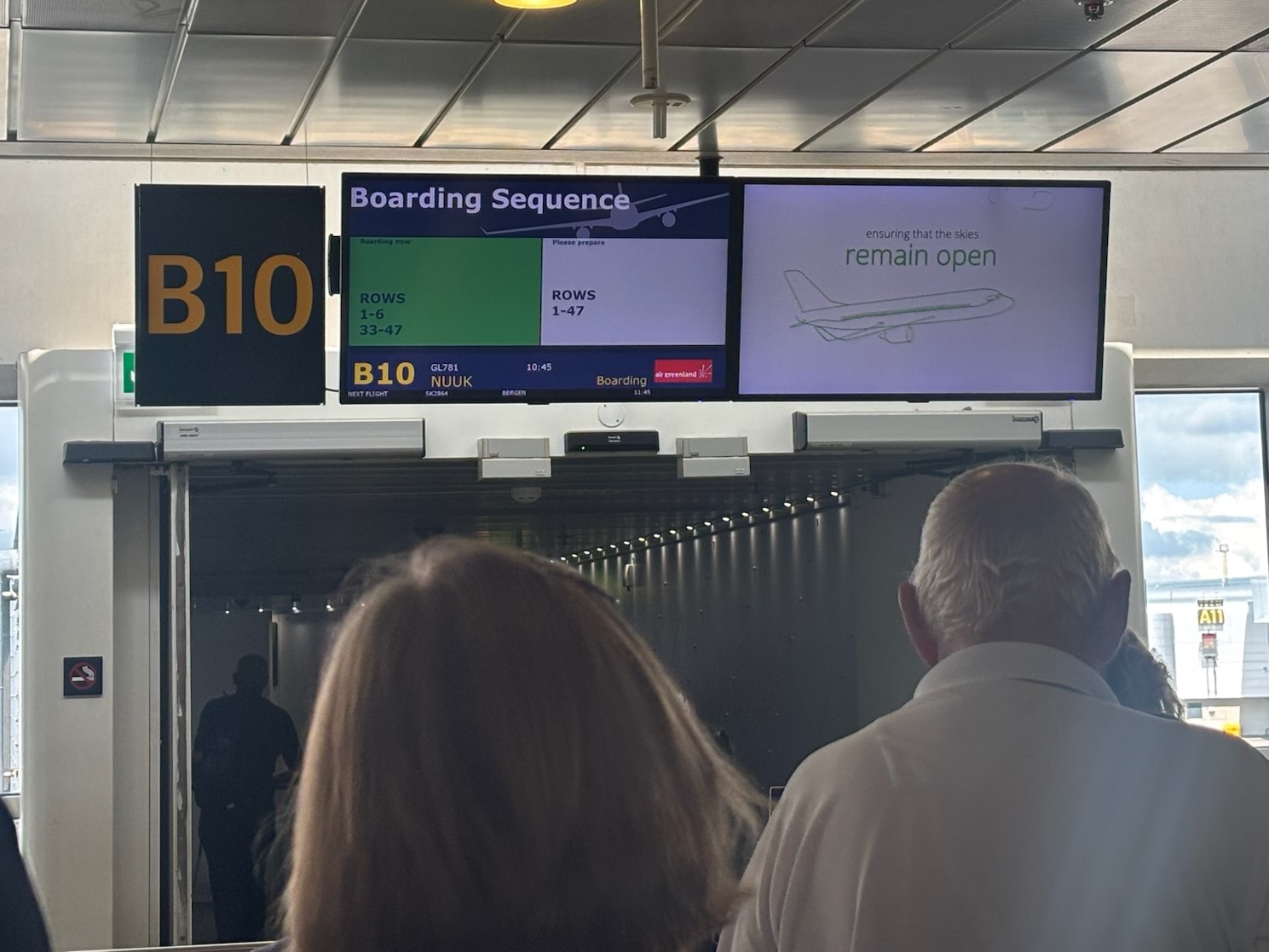
To reach Greenland, the Domain Expedition had to board a flight with Air Greenland. It was a direct flight from Copenhagen to Nuuk. This route is known for frequent delays due to bad weather, but fortunately, our flight departed on time.
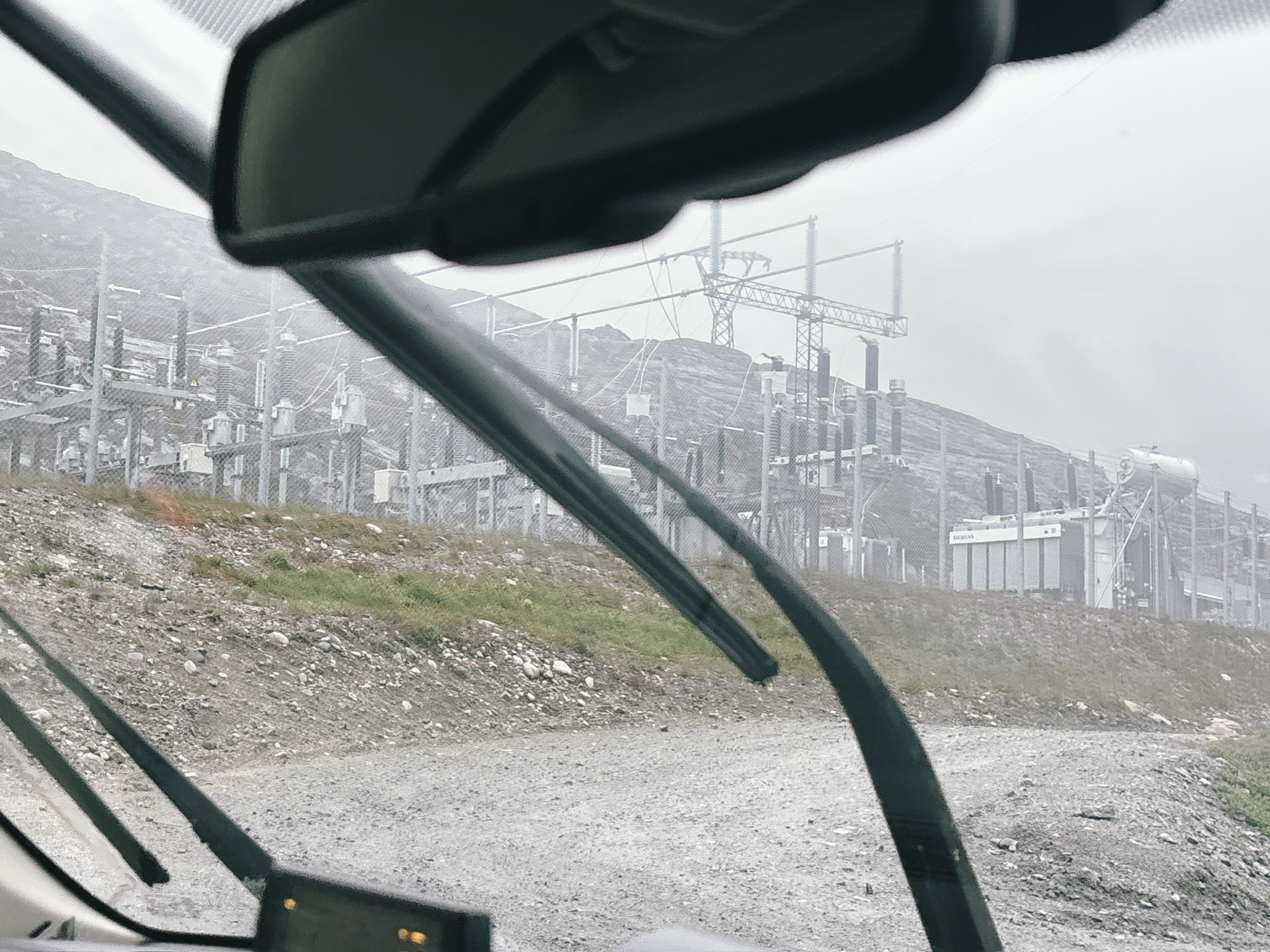
However, just before arriving at Nuuk Airport, the plane was hit with strong winds and failed its first landing attempt. When it successfully landed on its second attempt, spontaneous applause and cheers erupted from the cabin. After disembarking, we walked 50 meters to the airport. Drenched and shivering, we were baptized with the gifts of this northern land, a downpour of ice pellets. We took a taxi straight to our hotel.
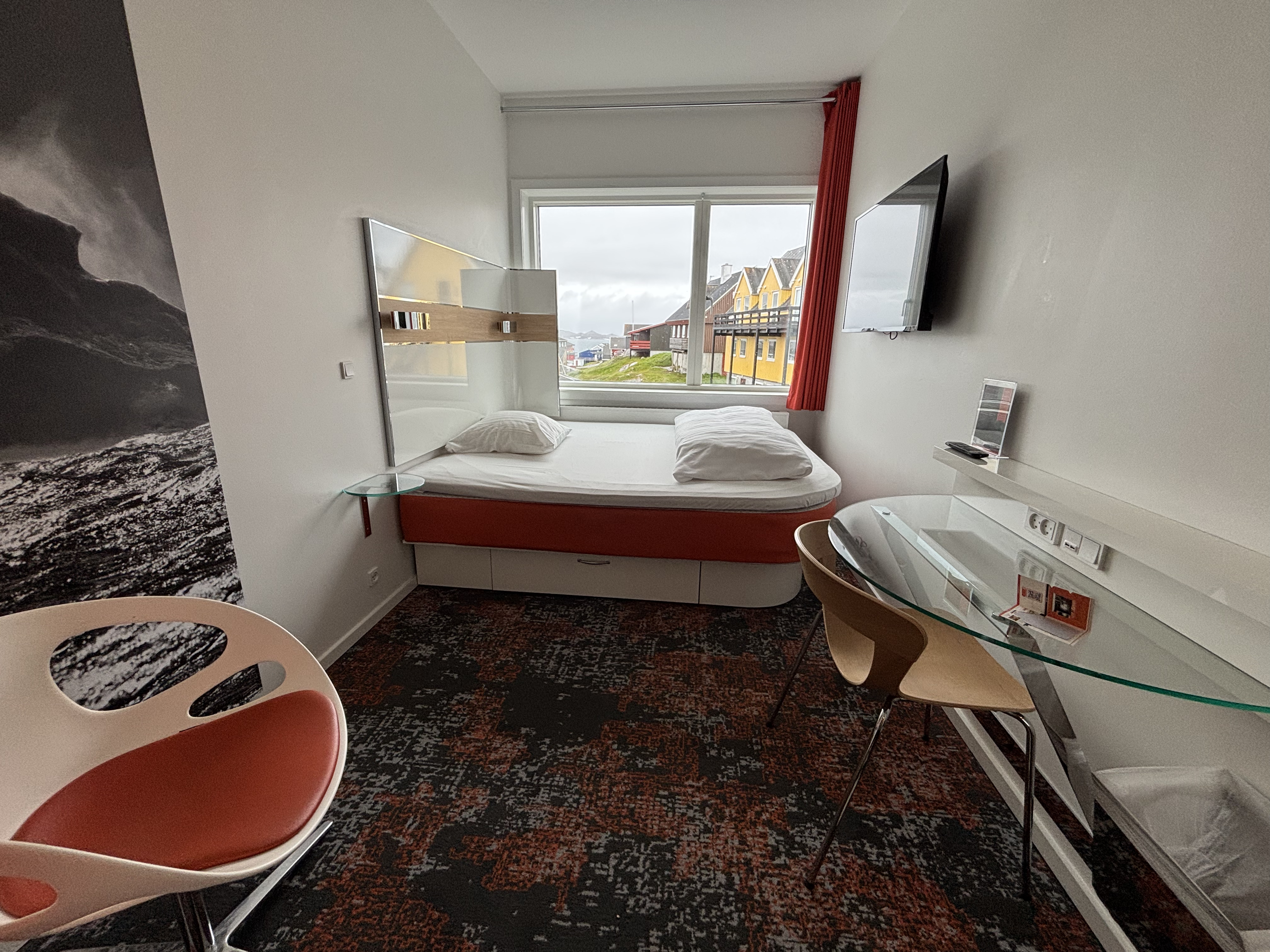
We arrived at our accommodations, the HHE Express hotel. It was a clean, business style hotel. The view of Nuuk’s colorful, charming streets from the window was lovely.
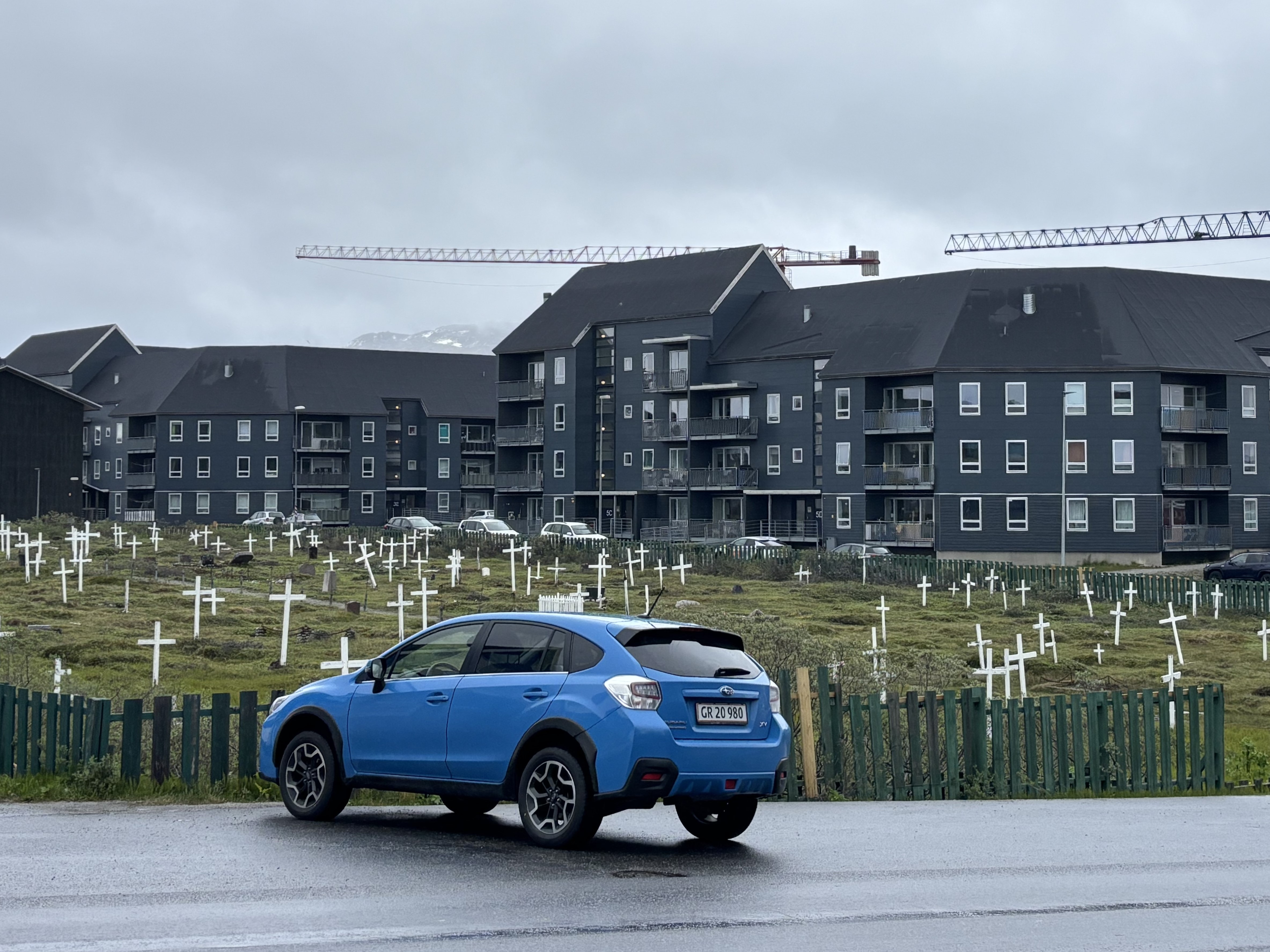
Directly in front of the hotel was a cemetery, something rarely seen in Japan, with white crosses stuck haphazardly into the flat ground.
We decided to tour the city by taxi. Our driver, Mr. Aaron, said, “Nuuk is a small town, so you can get around the whole place on foot. But of course, I’ll show you around.”

The first place he took us was the new, but empty, elementary school, Nuuk School. In the local language, it’s called Atuarfik Inussuk. It’s impressive at first glance, it looks like a modern school building, but it cannot be used because the evacuation routes don’t meet building codes.
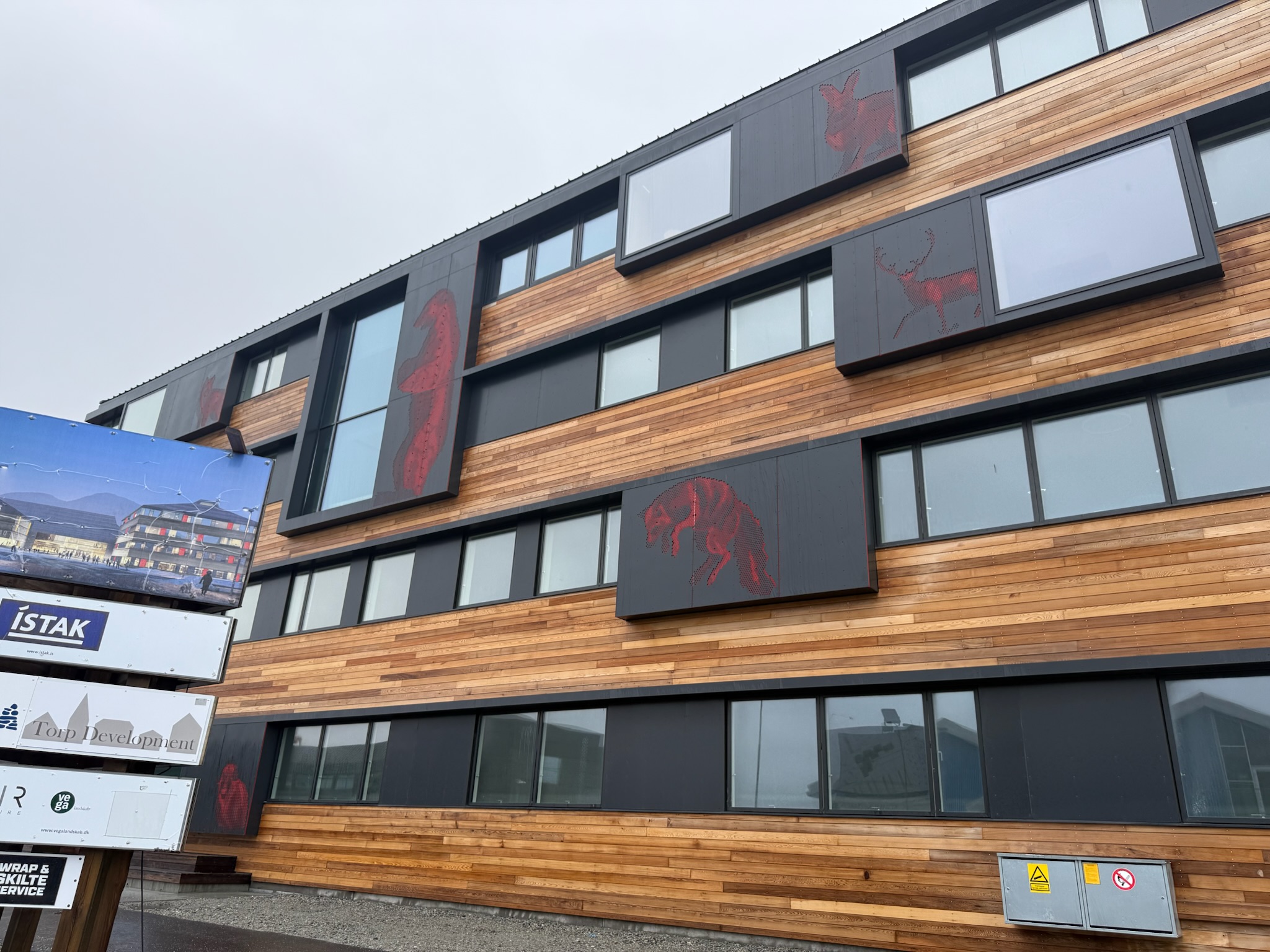
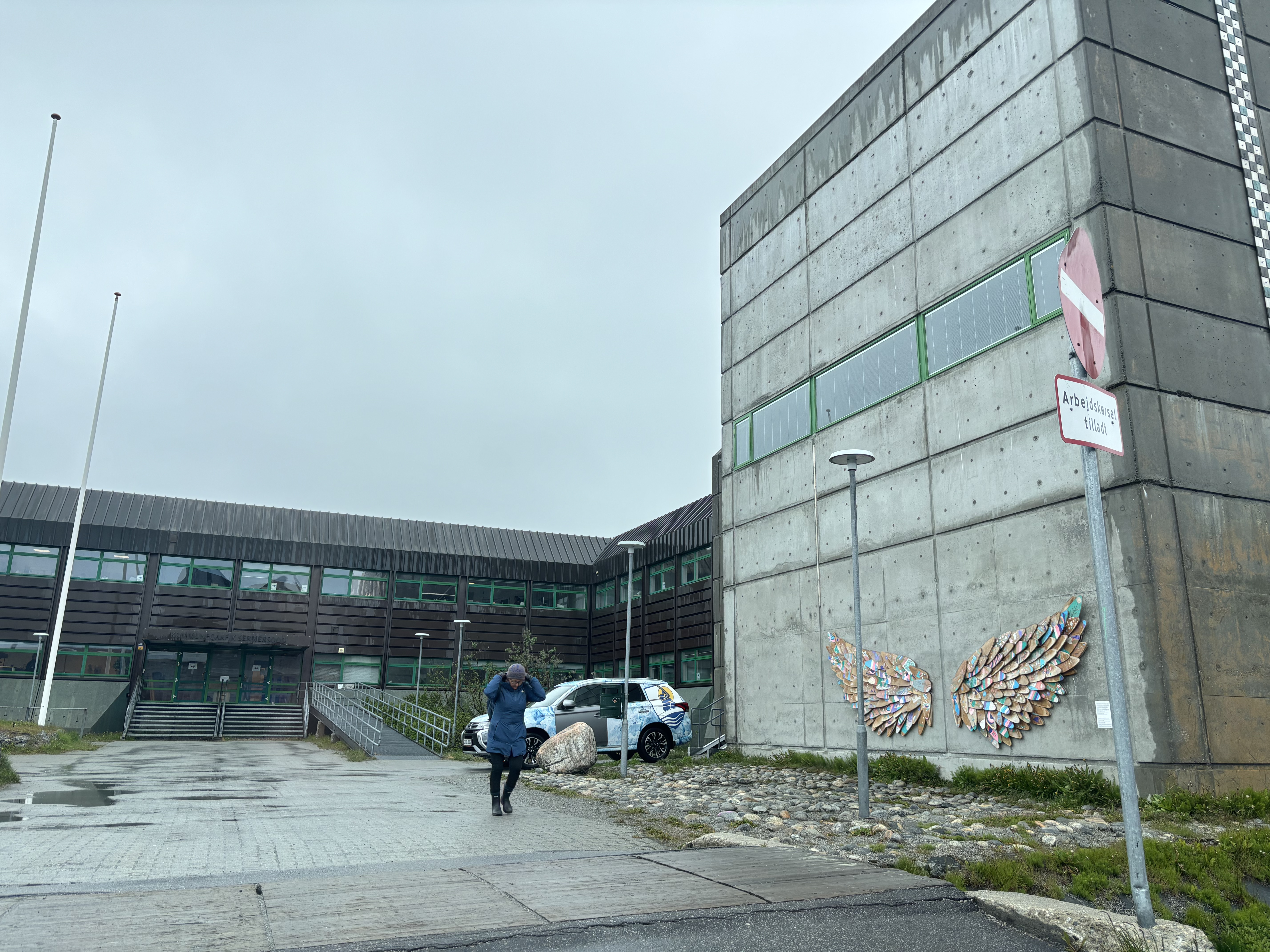
This is the city hall and government building. It is an imposing structure with two buildings, one old and one new, standing side by side, an unusual set-up for a government office. Apparently, about 40% of employment in Greenland is with the government. According to Mr. Aron, Greenland’s prime minister does not have bodyguards, and there are no security guards in this building either, which shows how peaceful it is here.
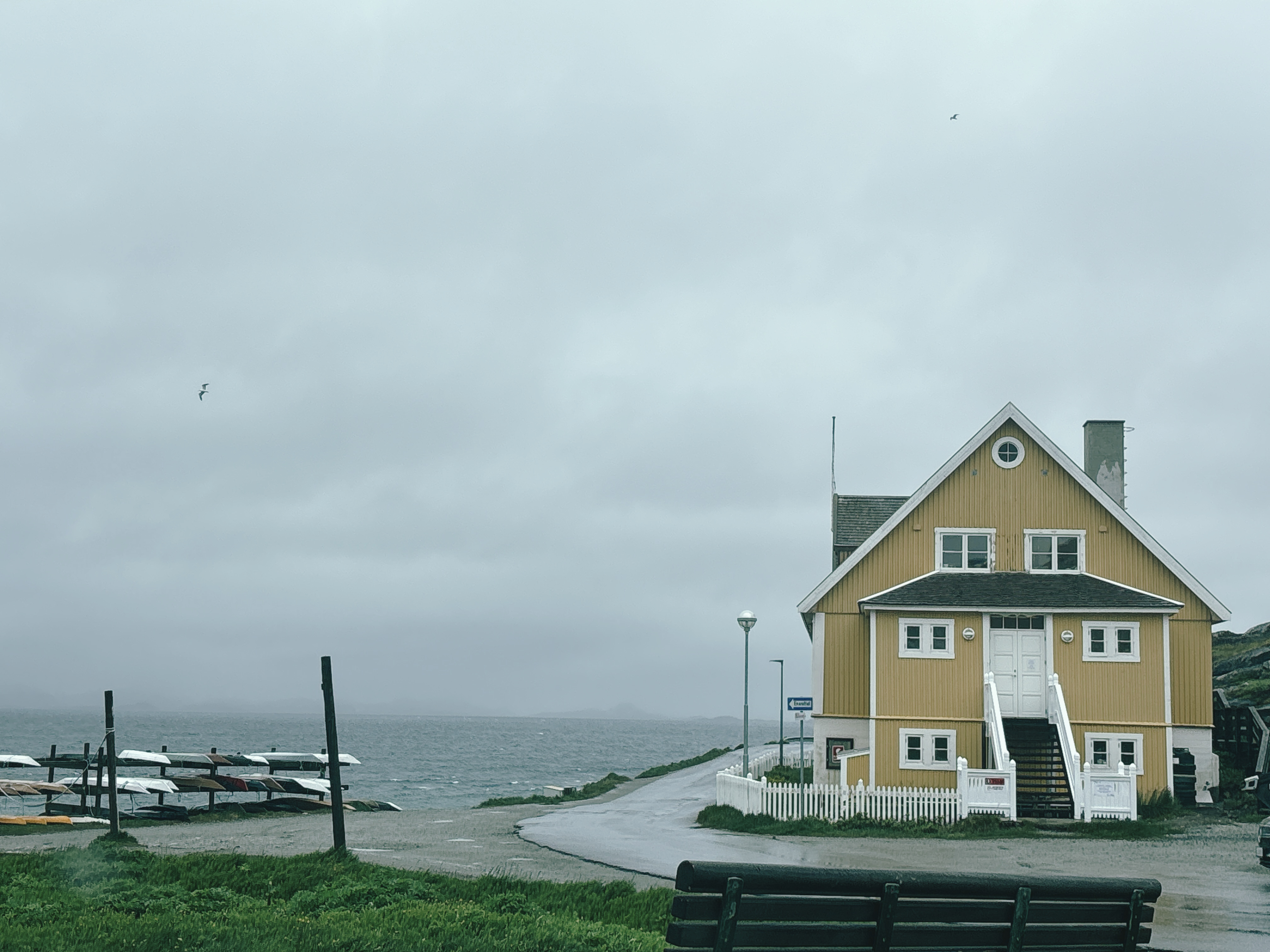
Next is the doctor’s house. Apparently, the local hospital is this yellow house. In the past, buildings in Greenland were color-coded according to their use, with red for schools, black for police stations, and yellow for hospitals, but now people can freely paint whatever color they like.
Nearby was a kayak workshop. Kayaks are handcrafted to fit individual body shapes.

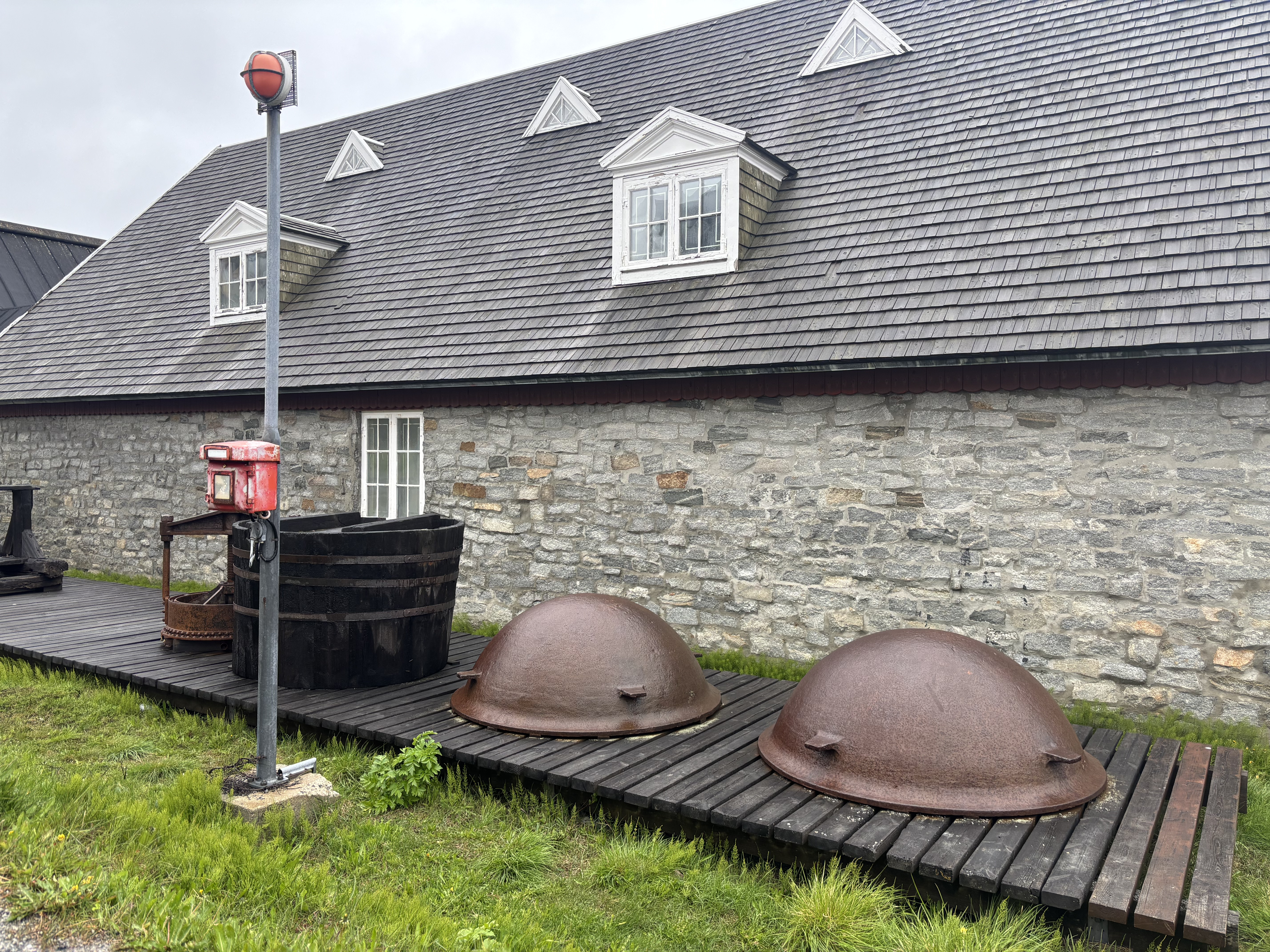
Next, we came across a facility for refining whale oil. In the past, whale blubber caught off the coast was processed and used for fuel. In the days before electricity, whale oil was valued for its use in lamps. This was a major industry in Greenland, and this wealth from whale oil was one of the reasons Denmark took an interest in the island.
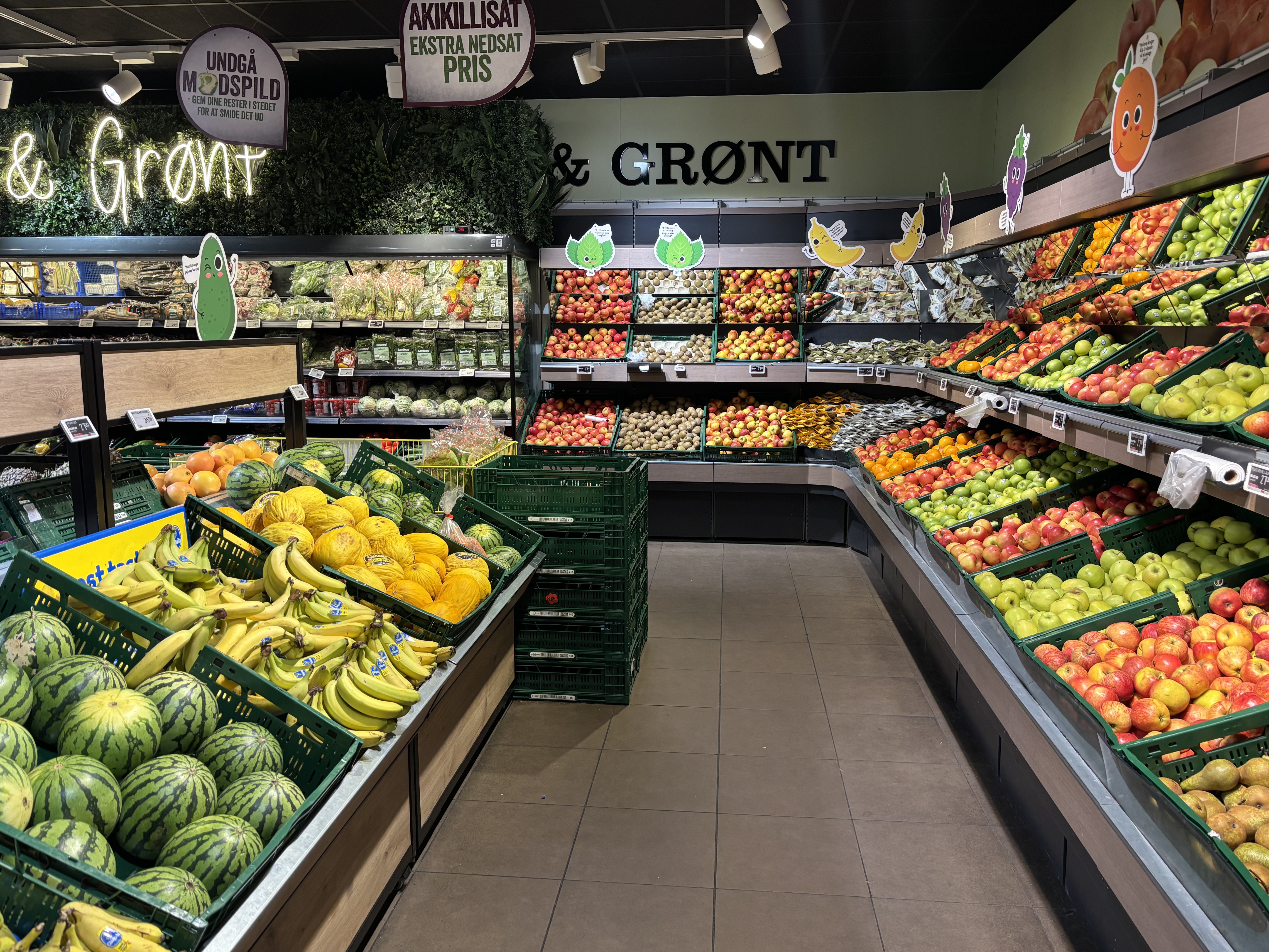
Nuuk Center, a shopping mall, is the center of life for the people of Nuuk. It offers a wide selection of produce, daily necessities, souvenirs, meat, and more. According to information on the Internet, they also sell seal meat, but after an extensive search, we couldn’t find it. When I finally asked some locals, they said they didn’t know.
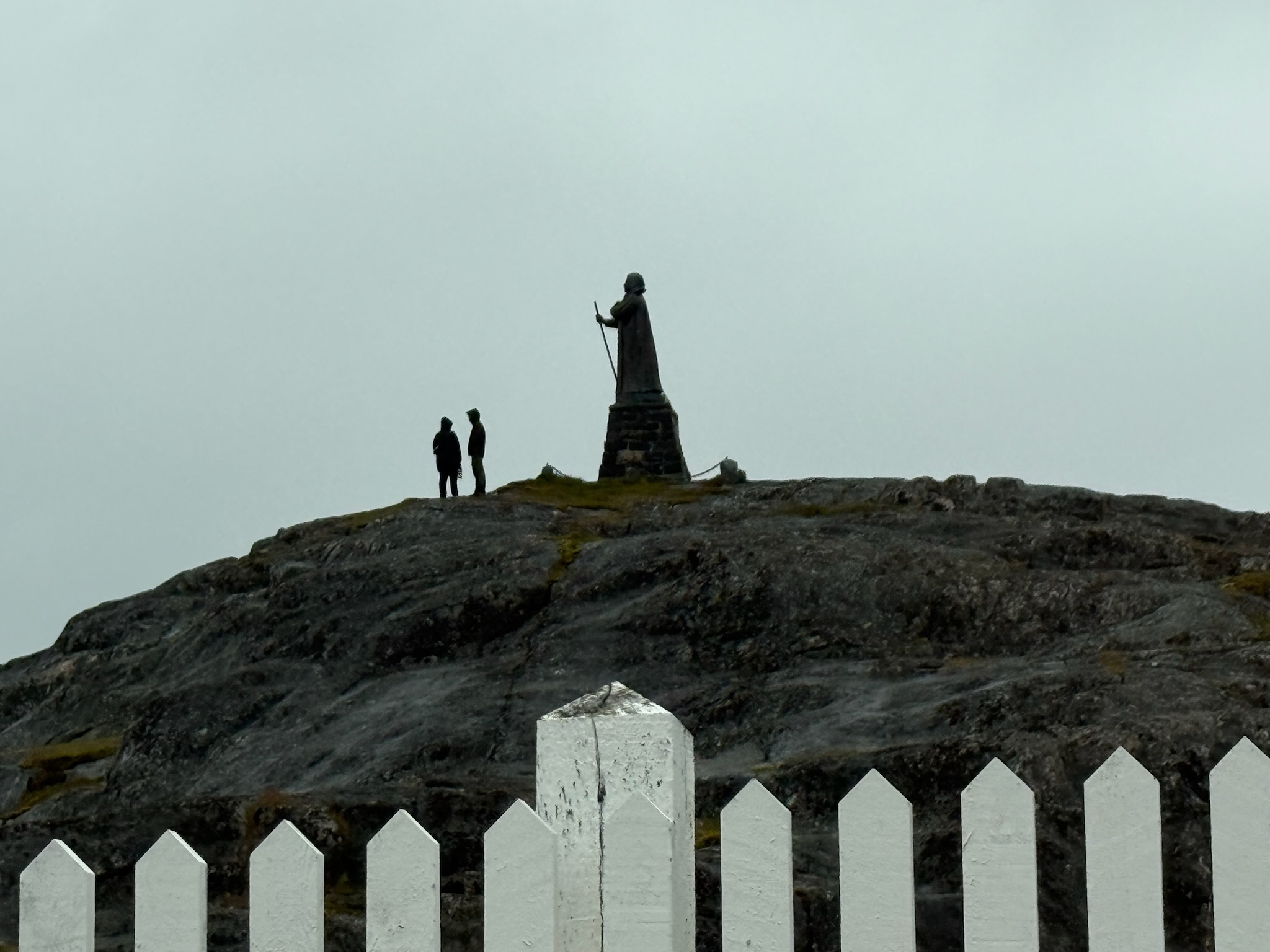
Standing atop a rocky hill overlooking Nuuk’s harbor is a statue of Hans Egede, a missionary who came to Greenland in the 18th century. While he is known as the person who founded the city, the stature has also been the subject of controversy as a symbol of colonial rule. They say this spot quietly tells the story of Greenland’s complex history.
◆The National Museum, Home to Baby Mummies and Japanese Literature
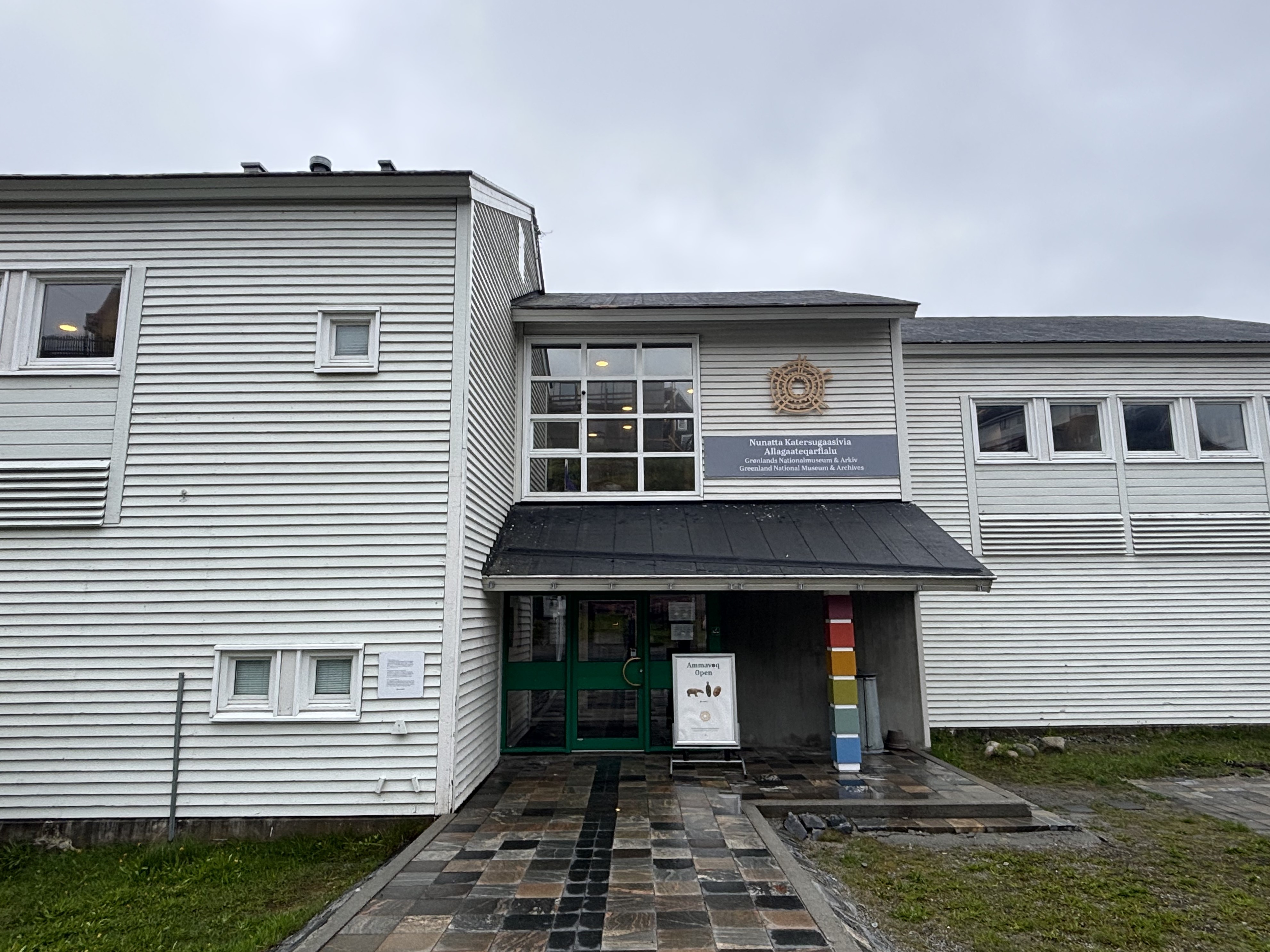
The Greenland National Museum is located in the center of Nuuk. Here, you’ll find meticulous exhibits of the ancient Inuit way of life, including tools, clothing, and rituals. Admission is 100 DKK for adults.
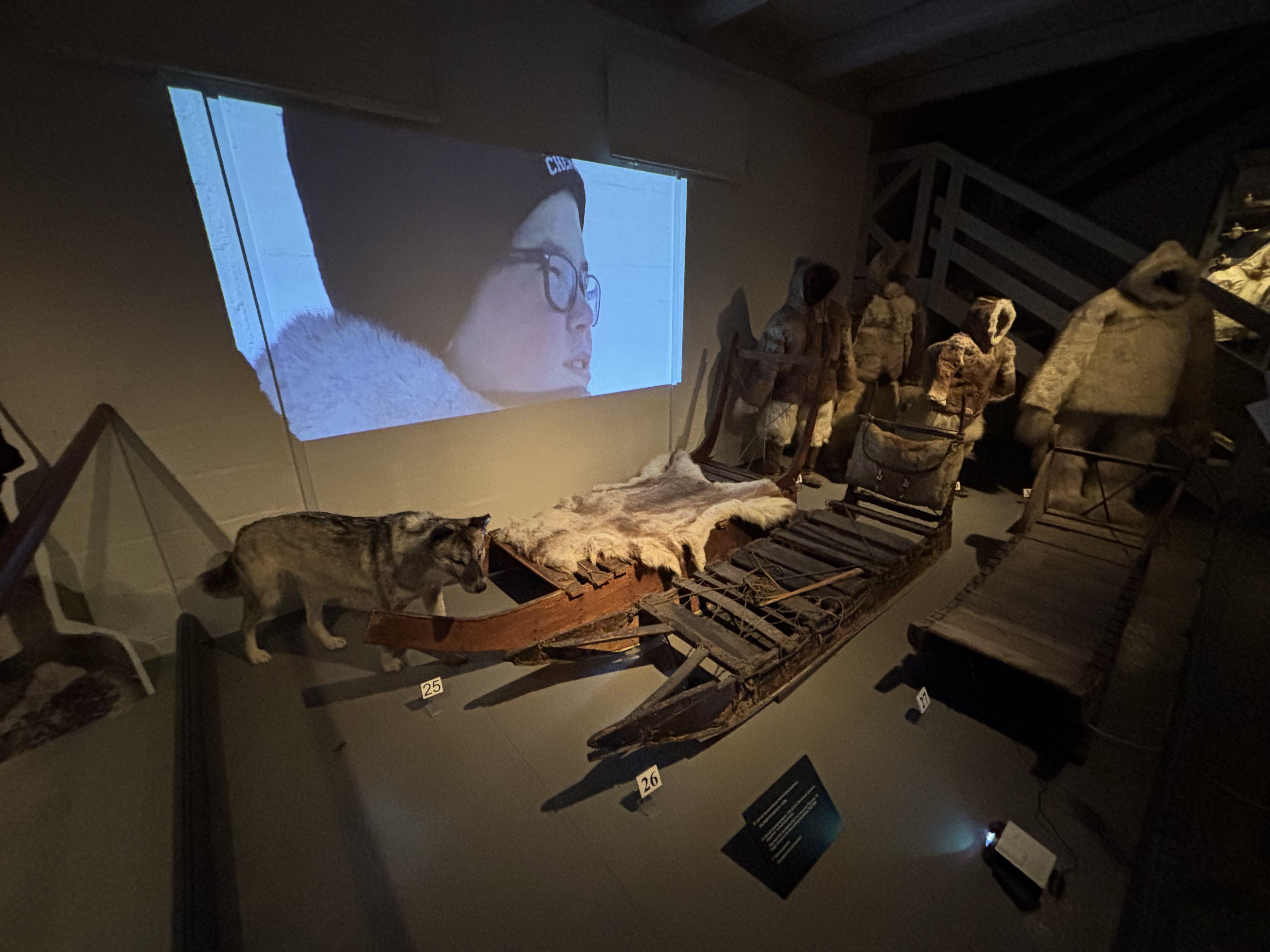
A dog sled used in the past. Dog sleds were an extremely important form of transportation for the people of Greenland.
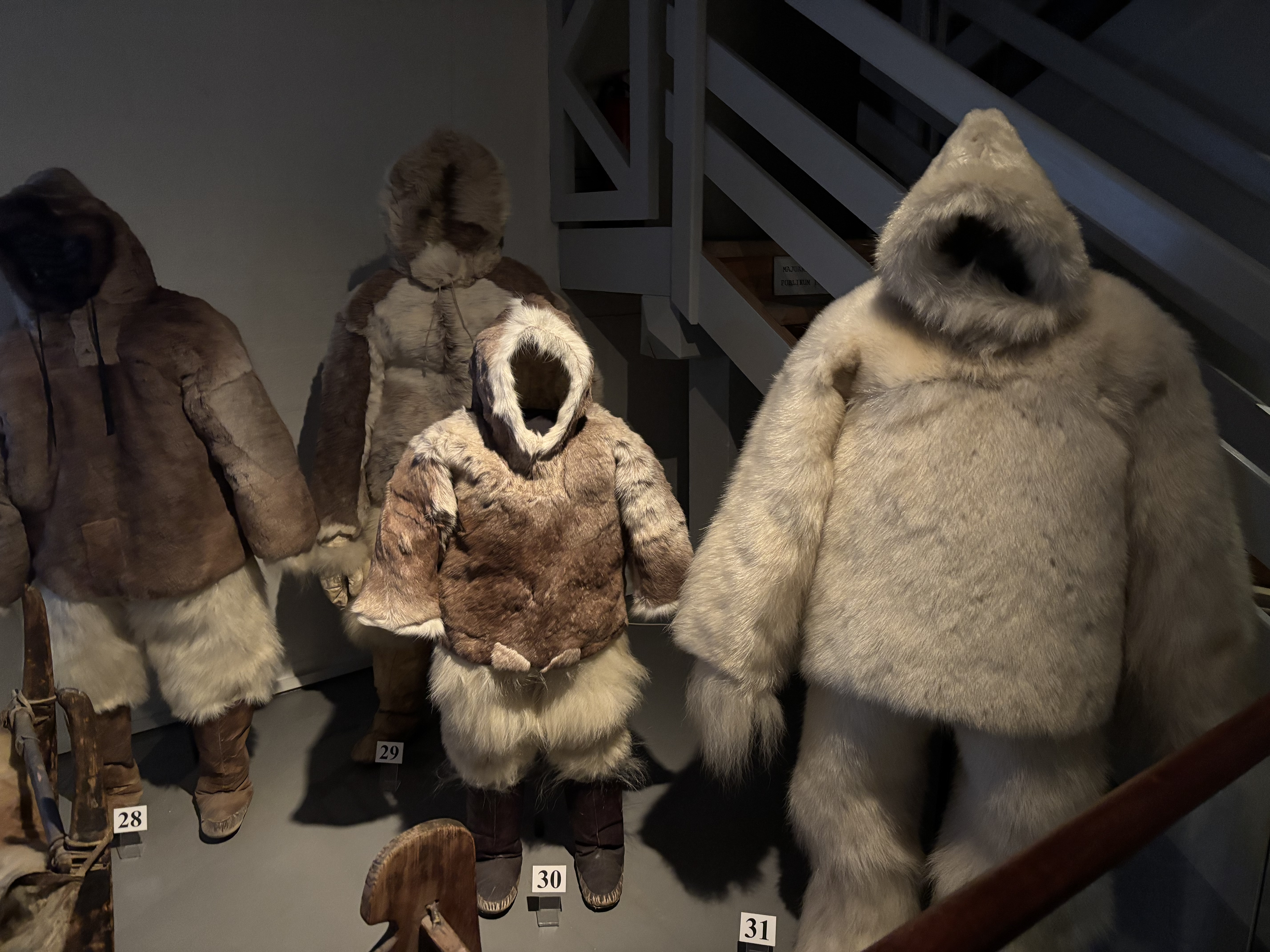
Warm-looking clothing made from animal skins. The one on the right is made from polar bear skin.
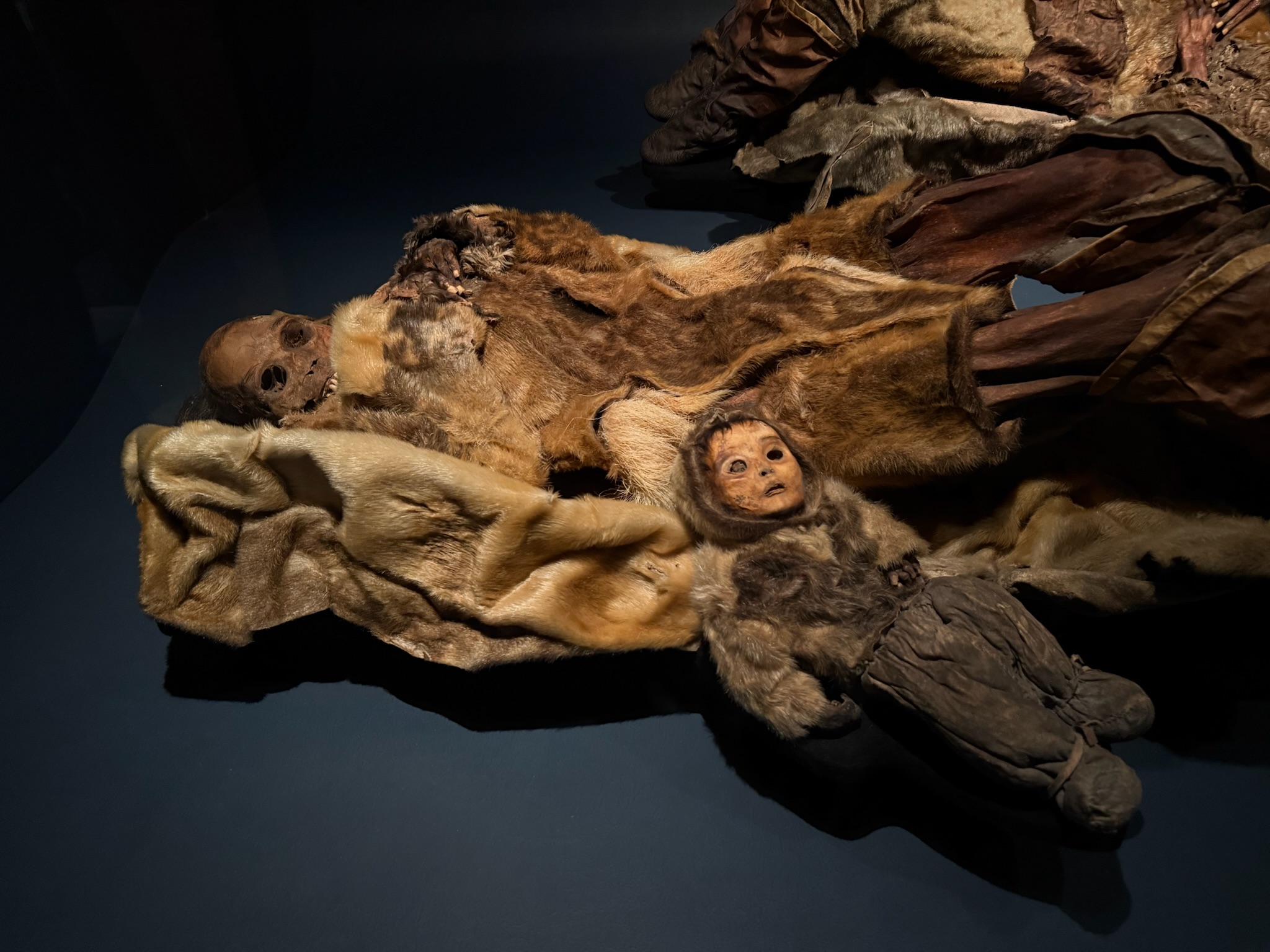
The most famous exhibit are the mummies buried around 1475. The four mummies, including a baby, naturally preserved by the cold earth, were a spectacular display that stopped visitors in their tracks.
We even discovered an exhibit in Japanese! The exhibit featured the first record of Greenland in Japanese literature. The name on the record is “Yochi Shiraku.” Who would have thought we’d find a connection with Japan in Greenland!
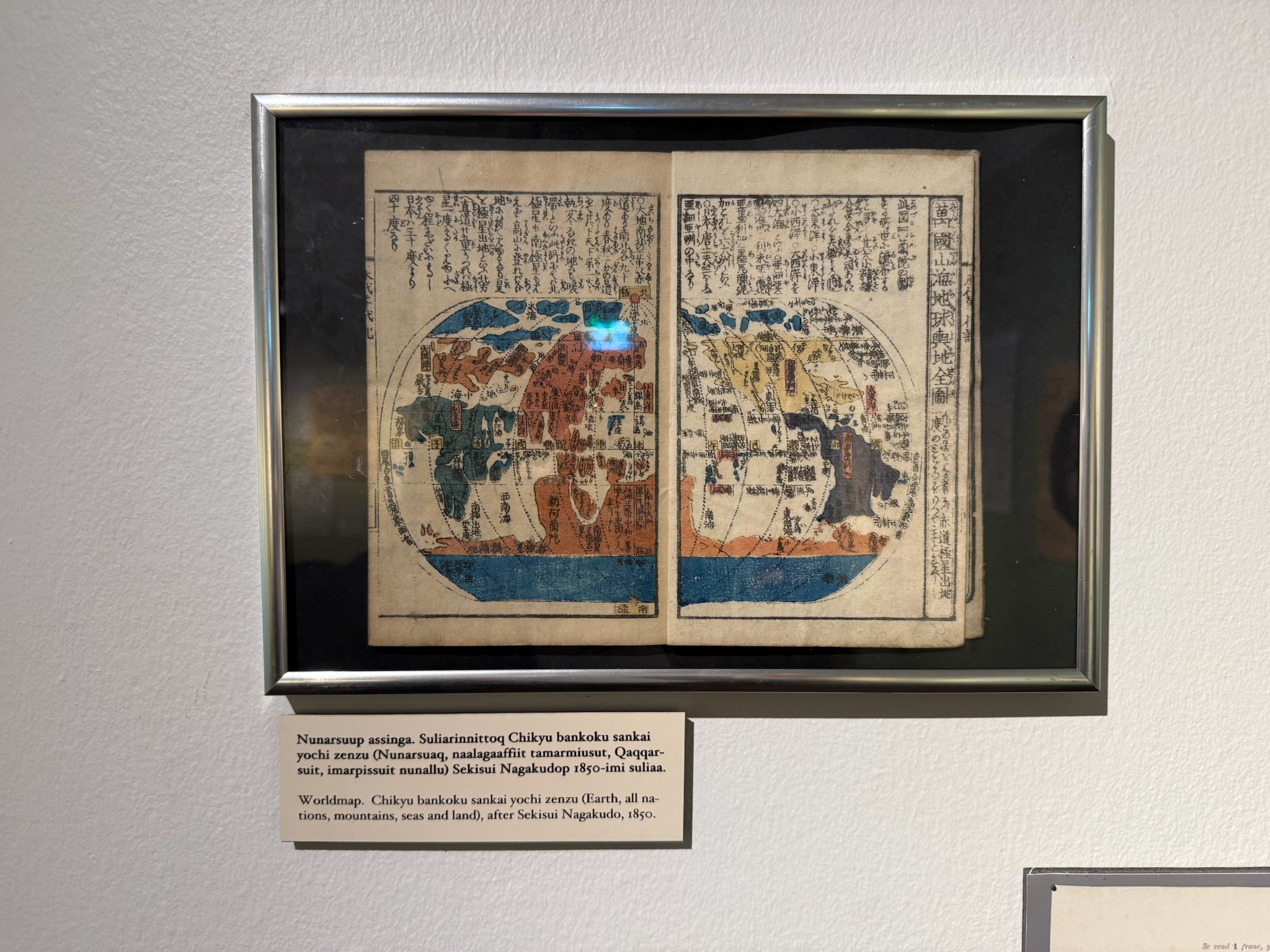
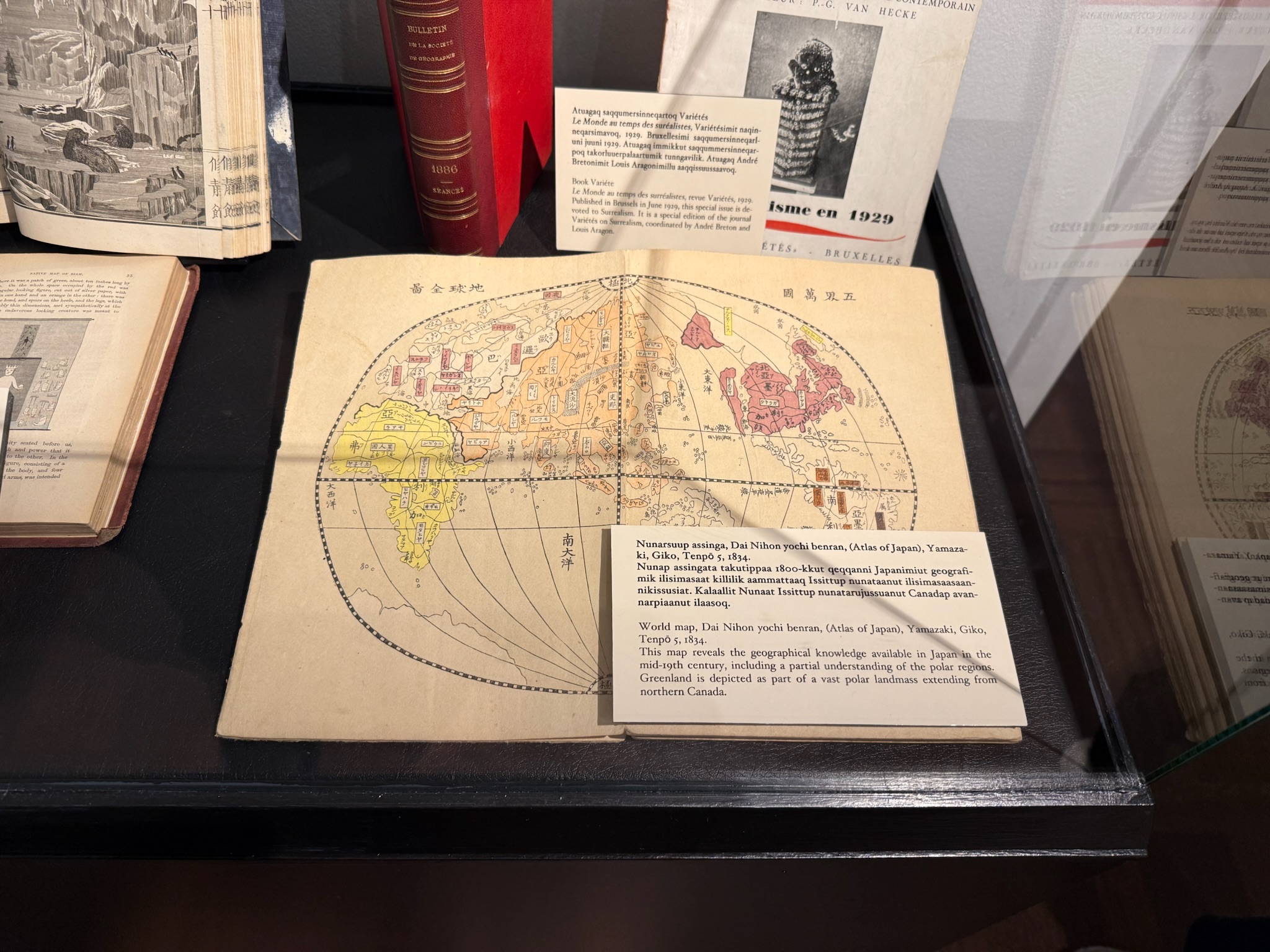
In mid-19th century Japan, Greenland seems to have been recognized as a land adjacent to Canada.
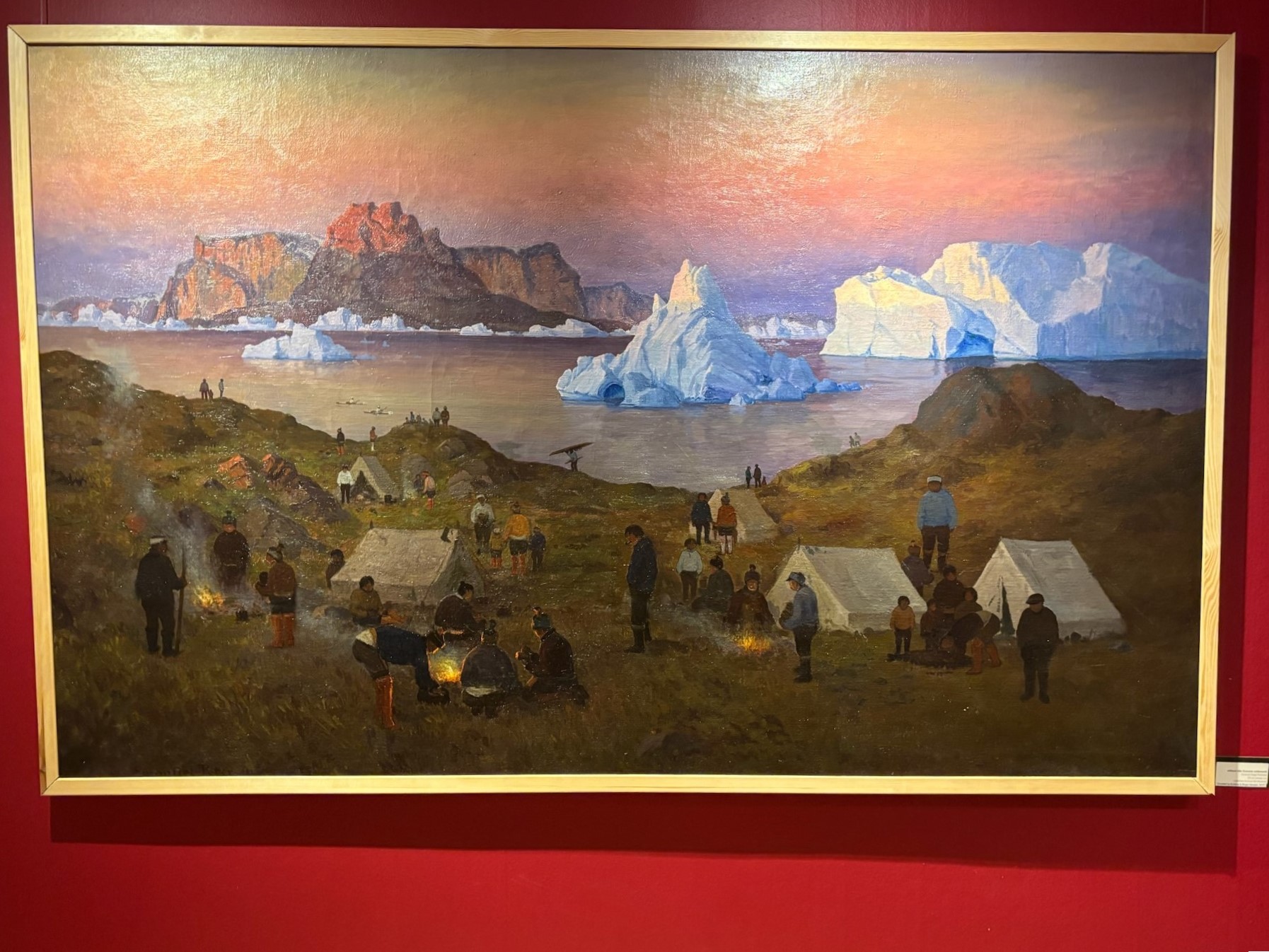
The rugged mountains visible in the background evoke the landscape around Sermitsiaq, and the icebergs floating in the sea are a typical motif of the Ilulissat Ice fjord system. This combination was a favorite composition of Danish painters living in Greenland in the early 20th century.
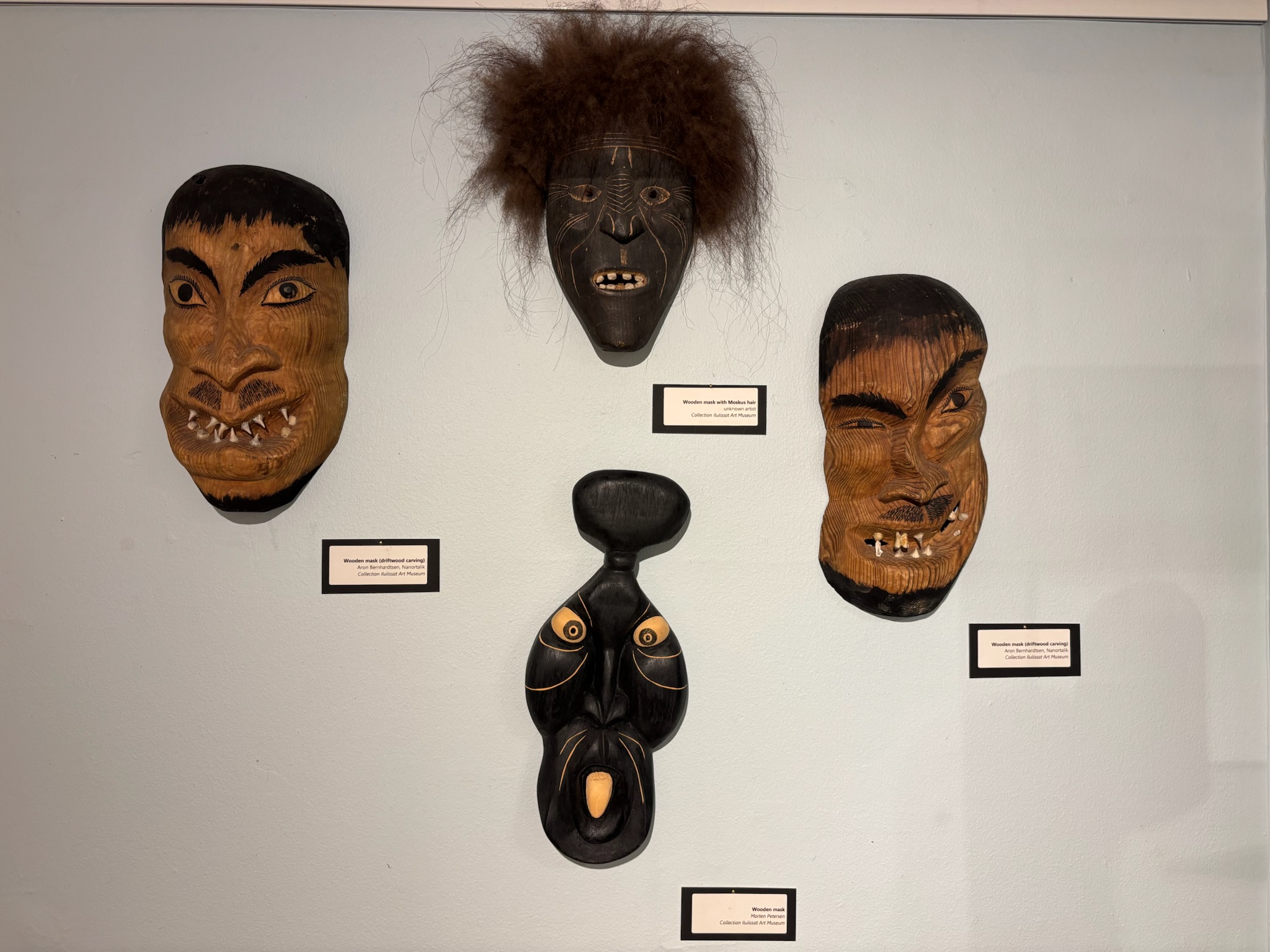
The wooden masks hung up throughout the museum were once used in Inuit rituals and stories. Their exaggerated expressions, tinged with humor and fear, symbolize communication with the spirits and other worlds. They are exhibited as “faces as a symbol of faith” rather than as decorations.
◆Greenland’s Only Record Store, Owned by a Musician That Has Performed in Japan
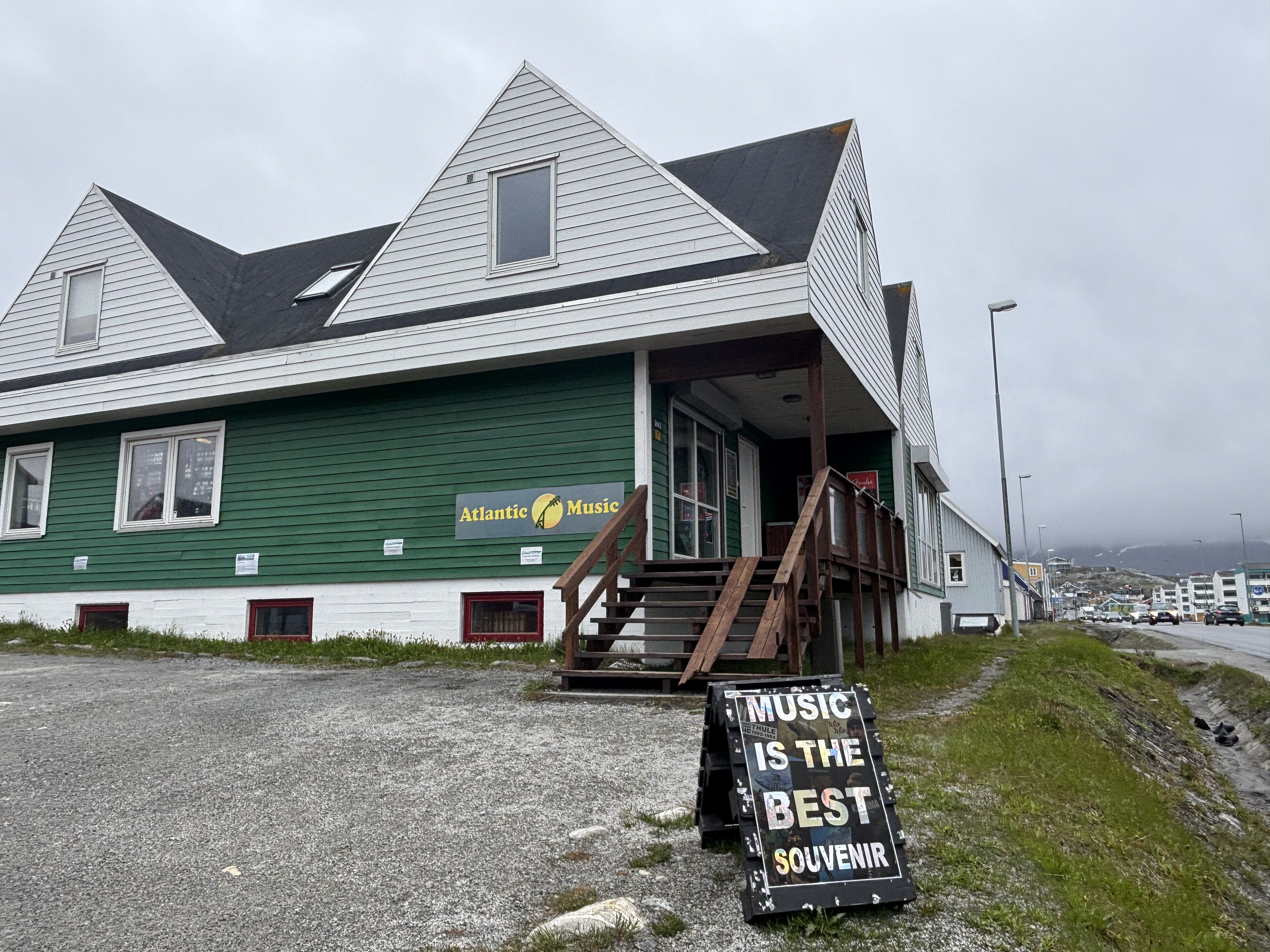
After parting ways with our taxi driver, Aaron, we set off on foot. Next to the Nuuk Center, we discovered a small, family-run record store called Atlantic Music ApS. The current owner is the son of the founder, and it’s the only record store in Greenland.
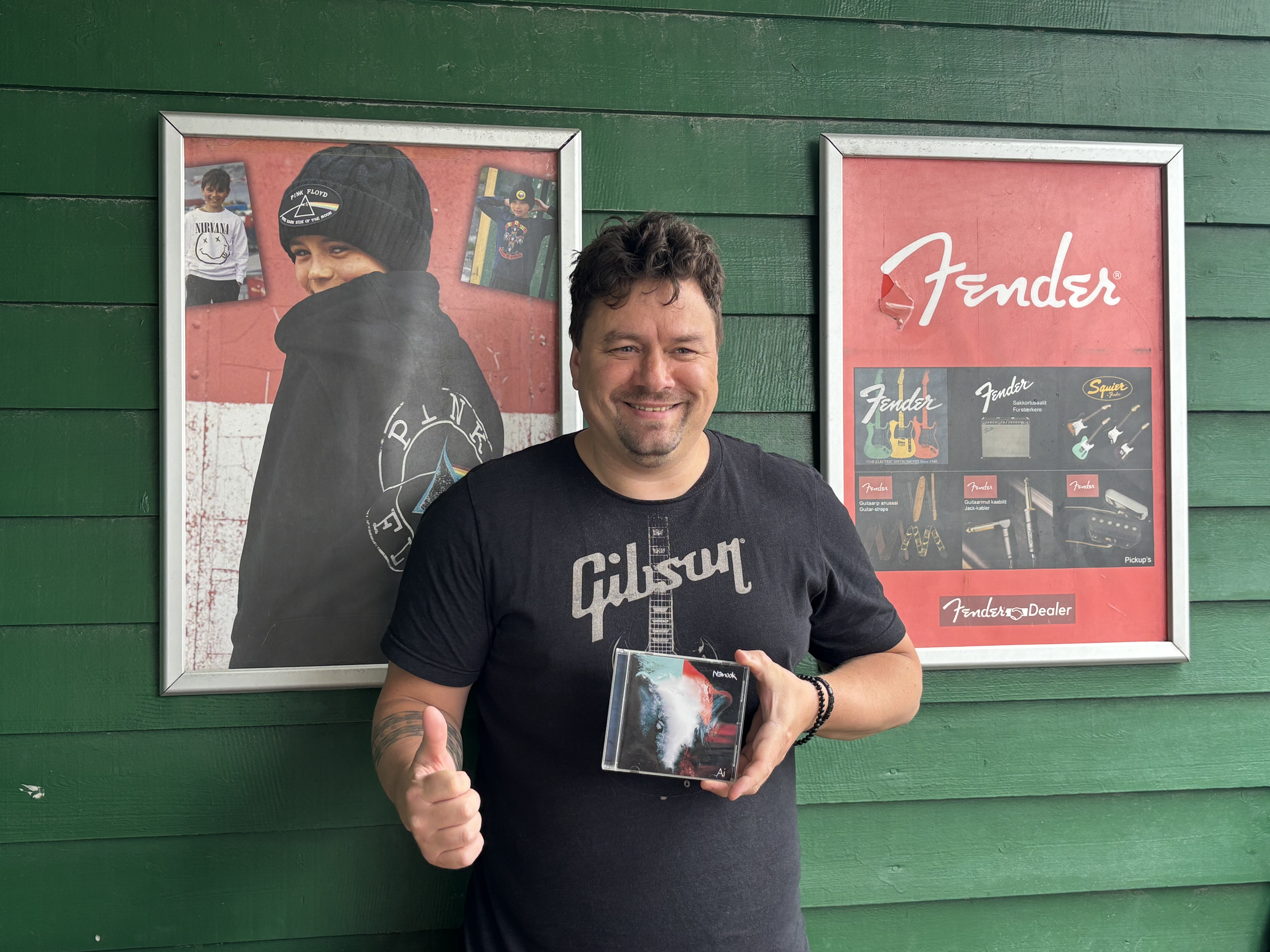
When asking question, we discovered that he’s a member of the popular local band Nanook! This brothers-band is well known as one of the few bands that sing in Greenlandic, and they have even performed live in Japan. He told me that they have a live show planned in Tokyo in February 2026.
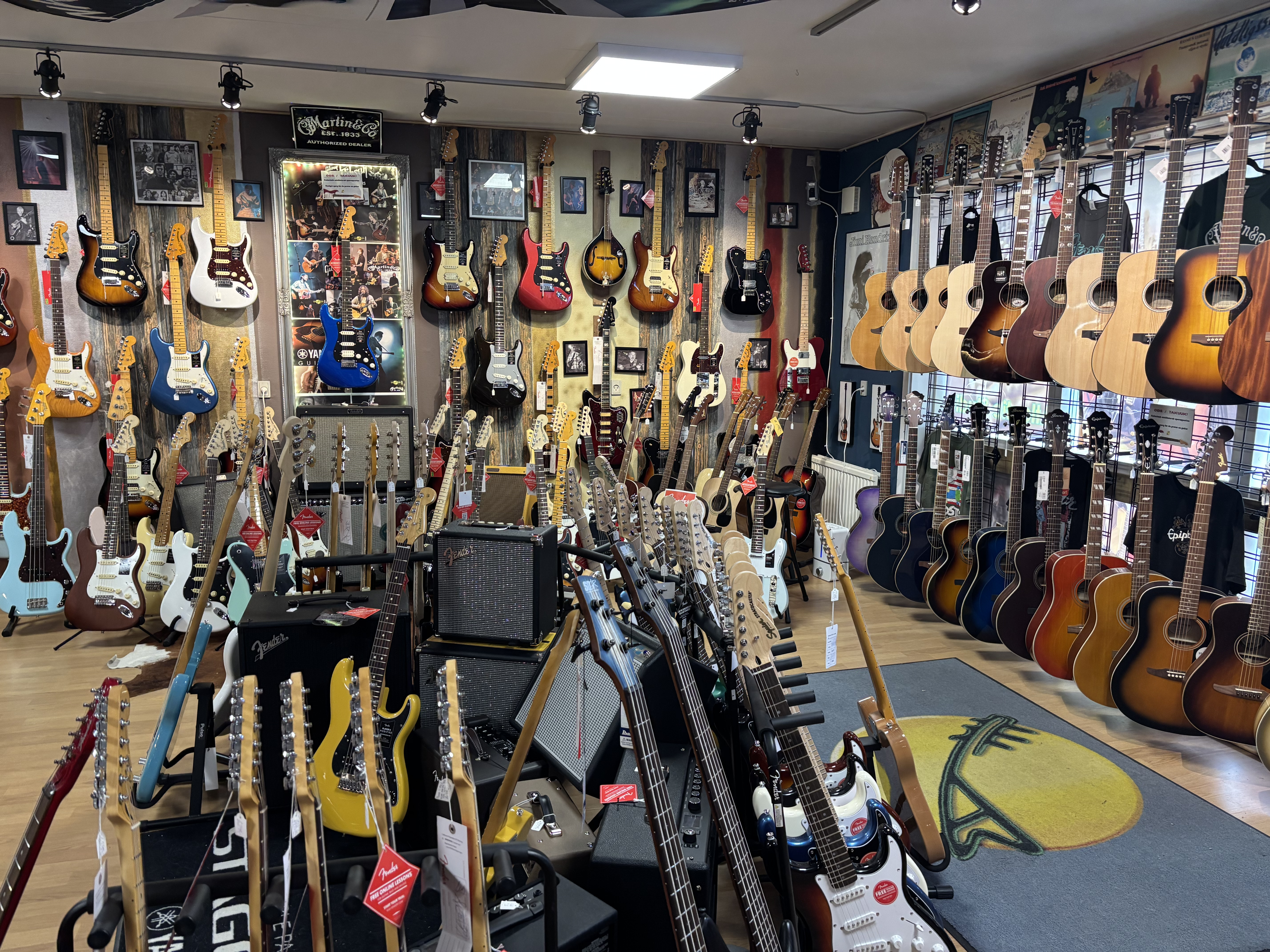
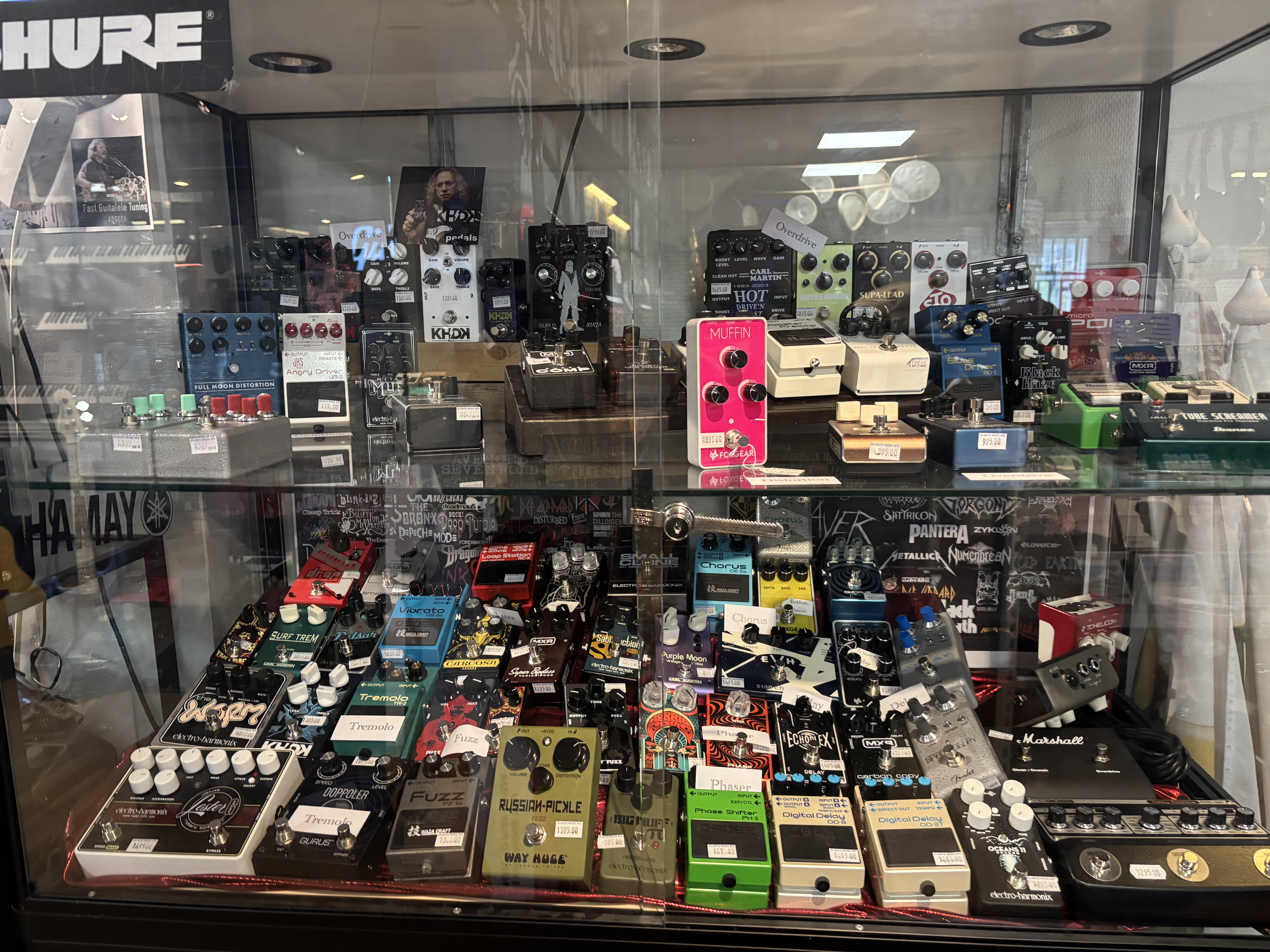
The store is filled with musical instruments and equipment.
They also have a huge variety of effects pedals.
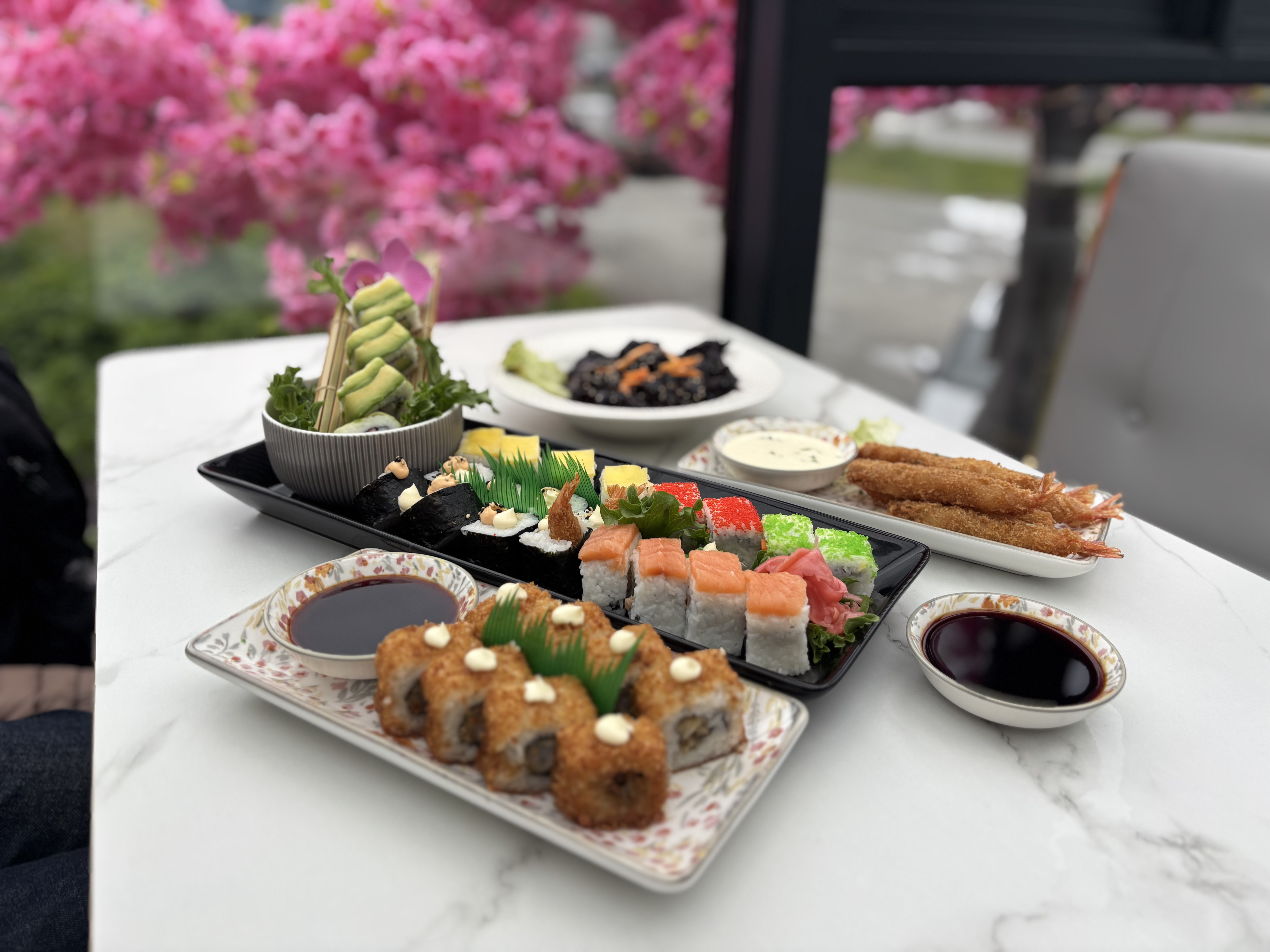
For dinner, we went to the “Bubble Tea House“, an Asian restaurant run by a Filipino located behind Atlantic Music. The flowers that look like cherry blossoms are, of course, fake. It’s not often you can enjoy Asian food while looking at cherry blossoms in the extreme cold of Greenland.

The menu included sweet and sour pork, sushi, and shrimp tempura.

We ordered the Japanese Super Family Box for 399 DKK. The sushi served in the warm restaurant was generously topped with mayonnaise. The staff, who had come to this cold northern land from the Philippines, a hot country, were very friendly.
◆Ilulissat: Where Spectacular Icebergs Are a Common Sight
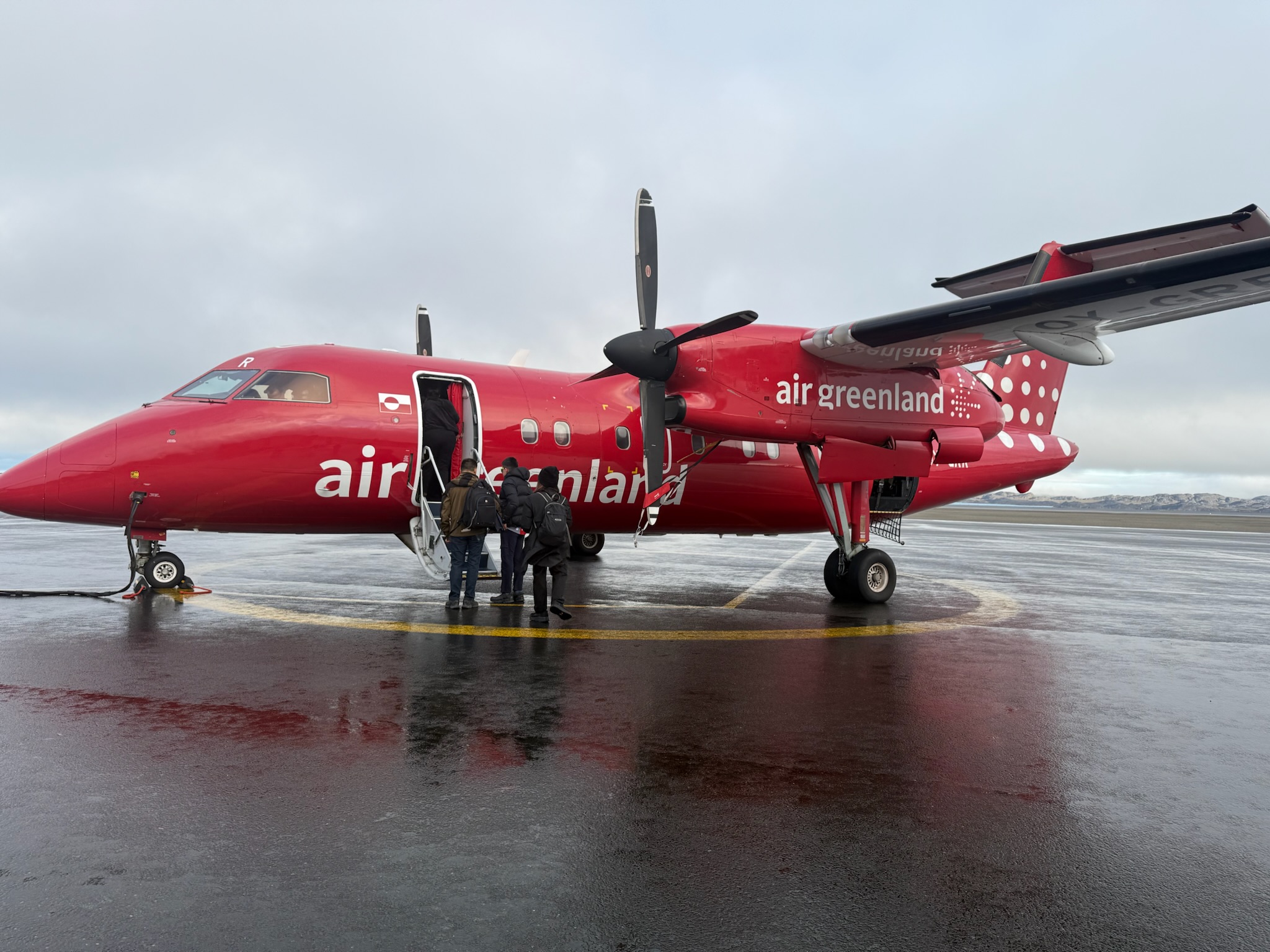
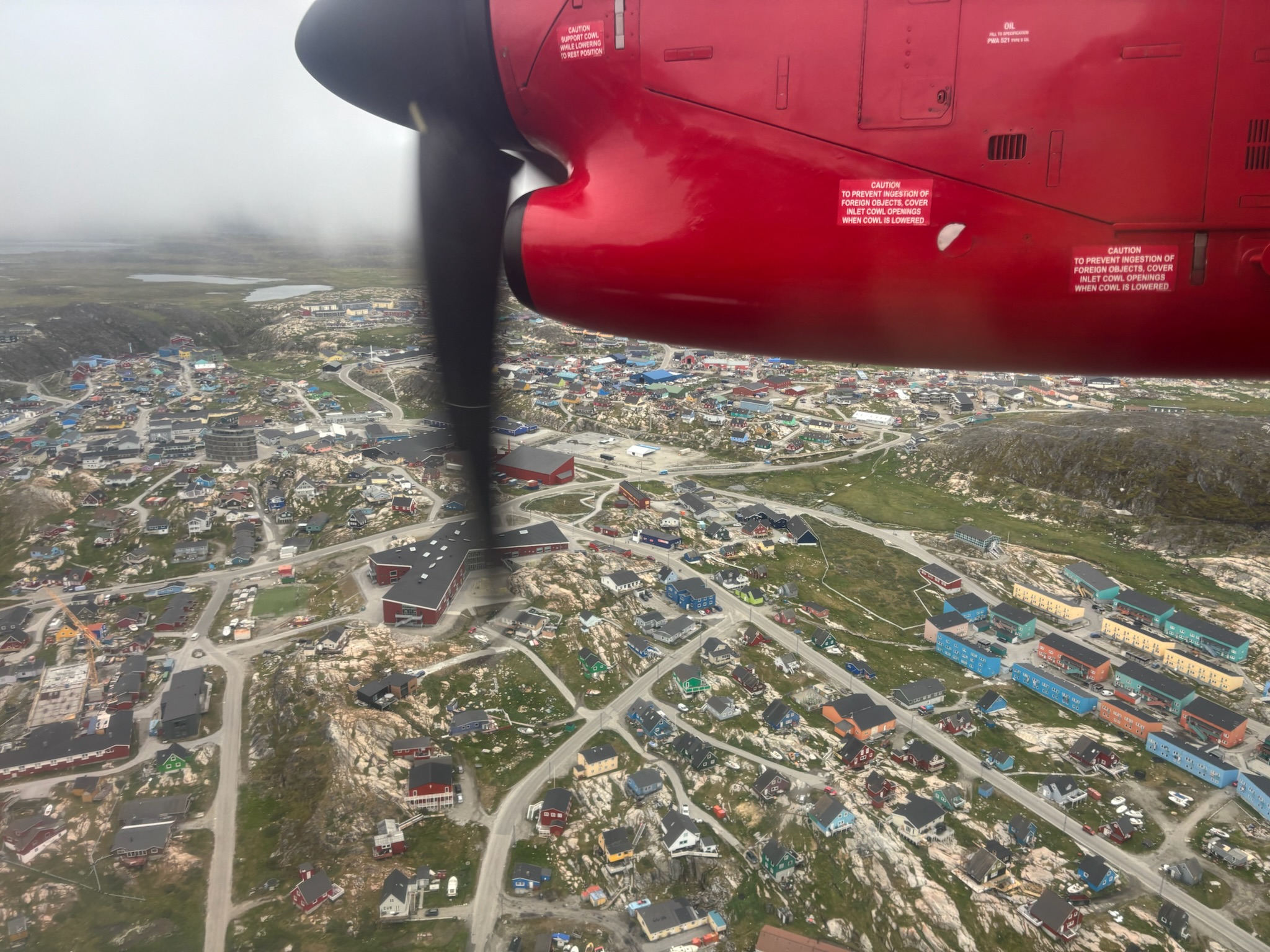
From the capital Nuuk, we headed to our next destination, Ilulissat, a town of about 4,500 people facing Disko Bay on Greenland’s west coast. Icebergs floating by are a regular occurrence for the residents here. We traveled in a small, 27-seat propeller plane.
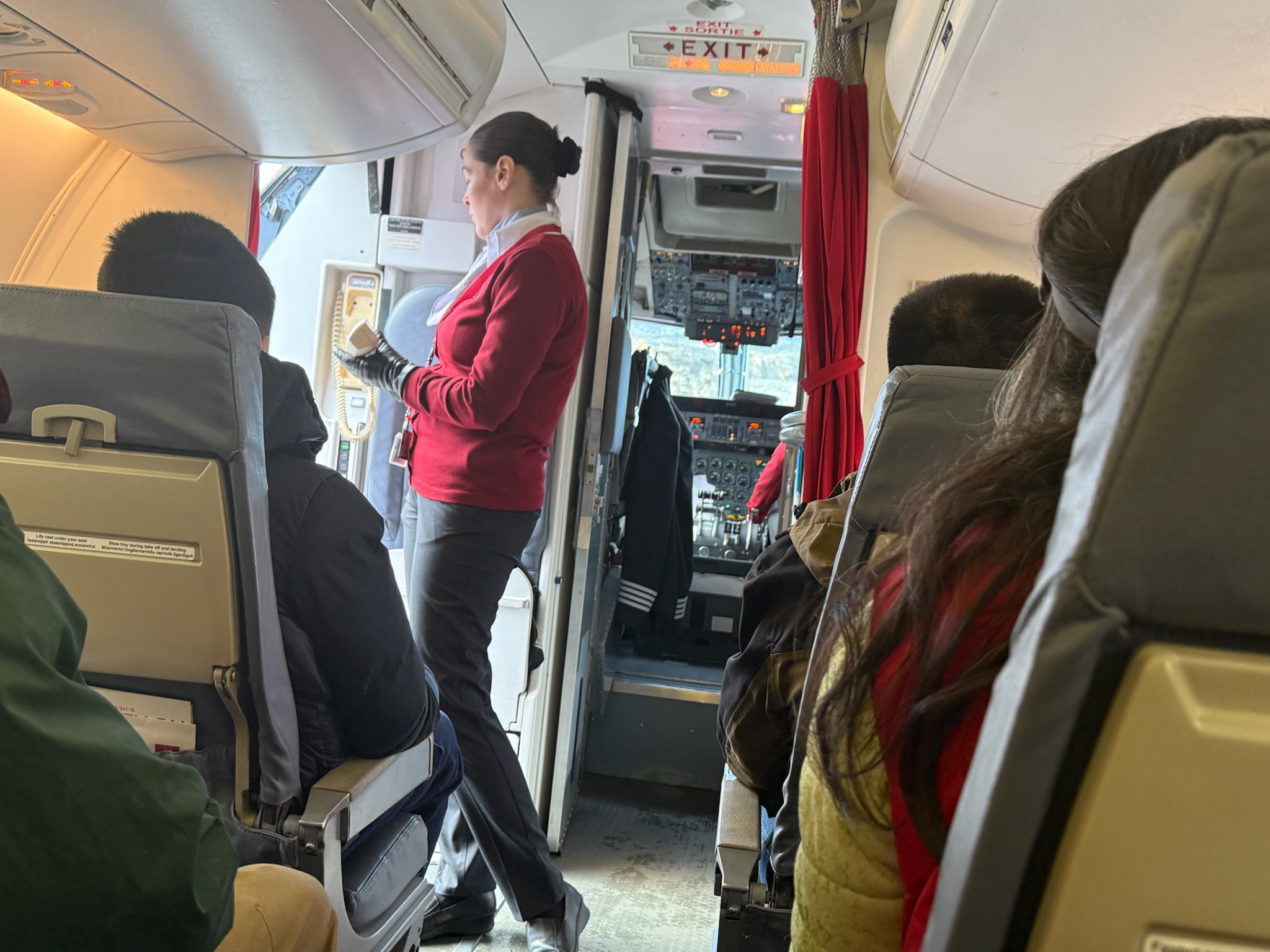
The cockpit was clearly visible from inside the cabin, separated only by a curtain.
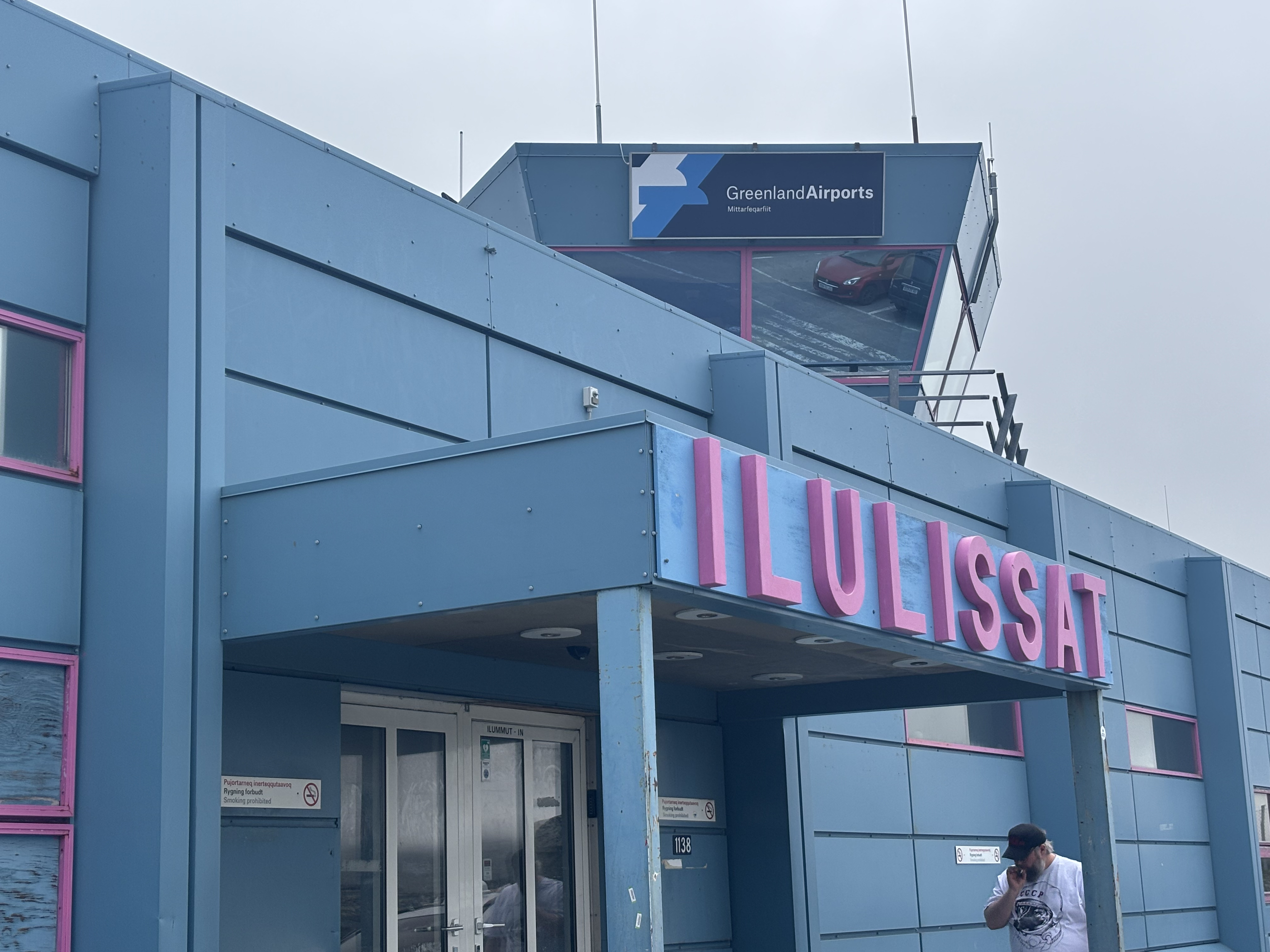
After about an hour and a half, we arrived at Ilulissat Airport, as announced by colorful pink letters.
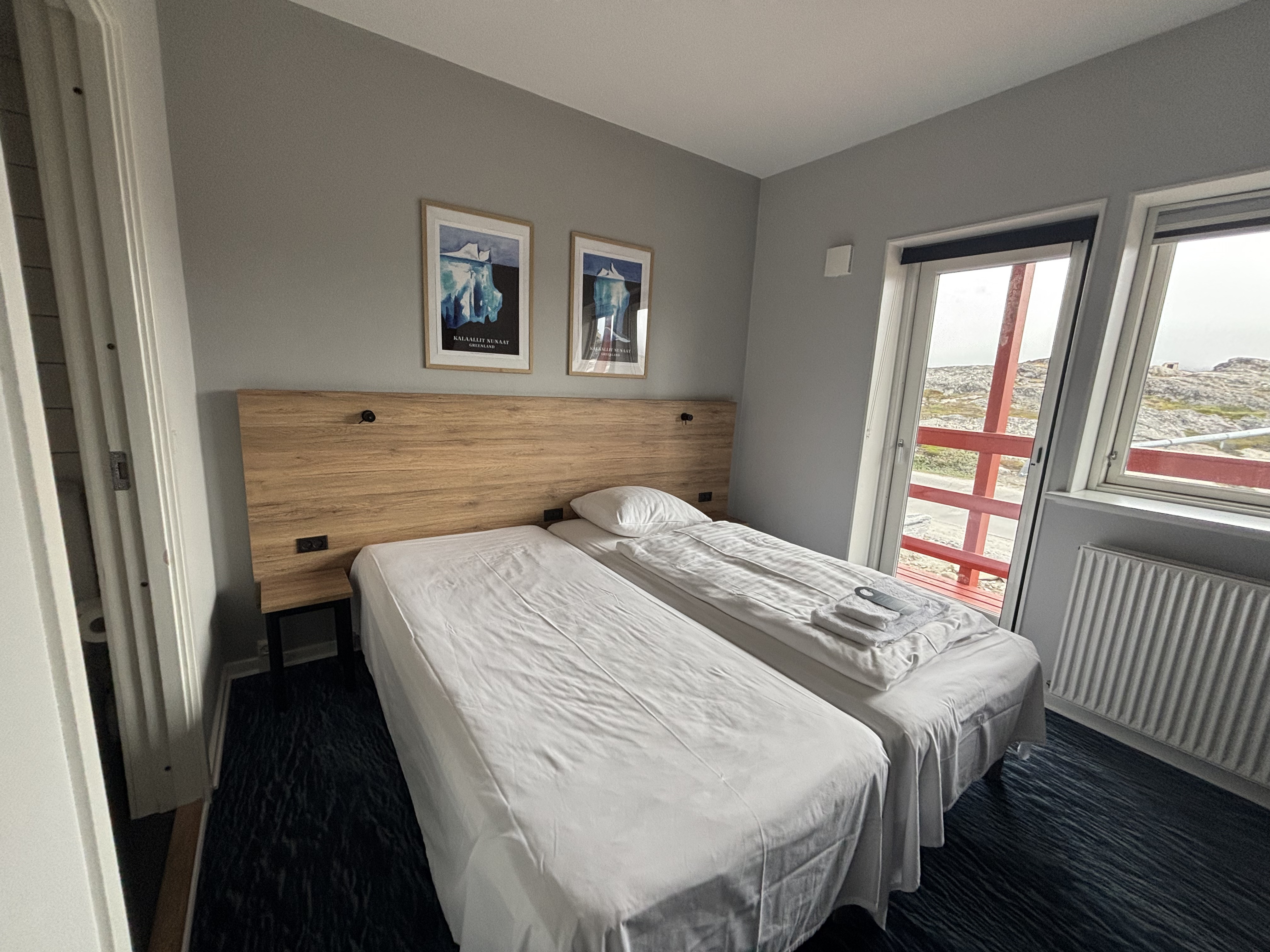
From the airport, we took a complementary shuttle bus to the hotel. The hotels we stayed at were the HOTEL SØMA Ilulissat and the Hotel Arctic, five minutes apart. The HOTEL SØMA Ilulissat, nestled against the mountains, was more spacious and comfortable than I had imagined, with a relaxing atmosphere.
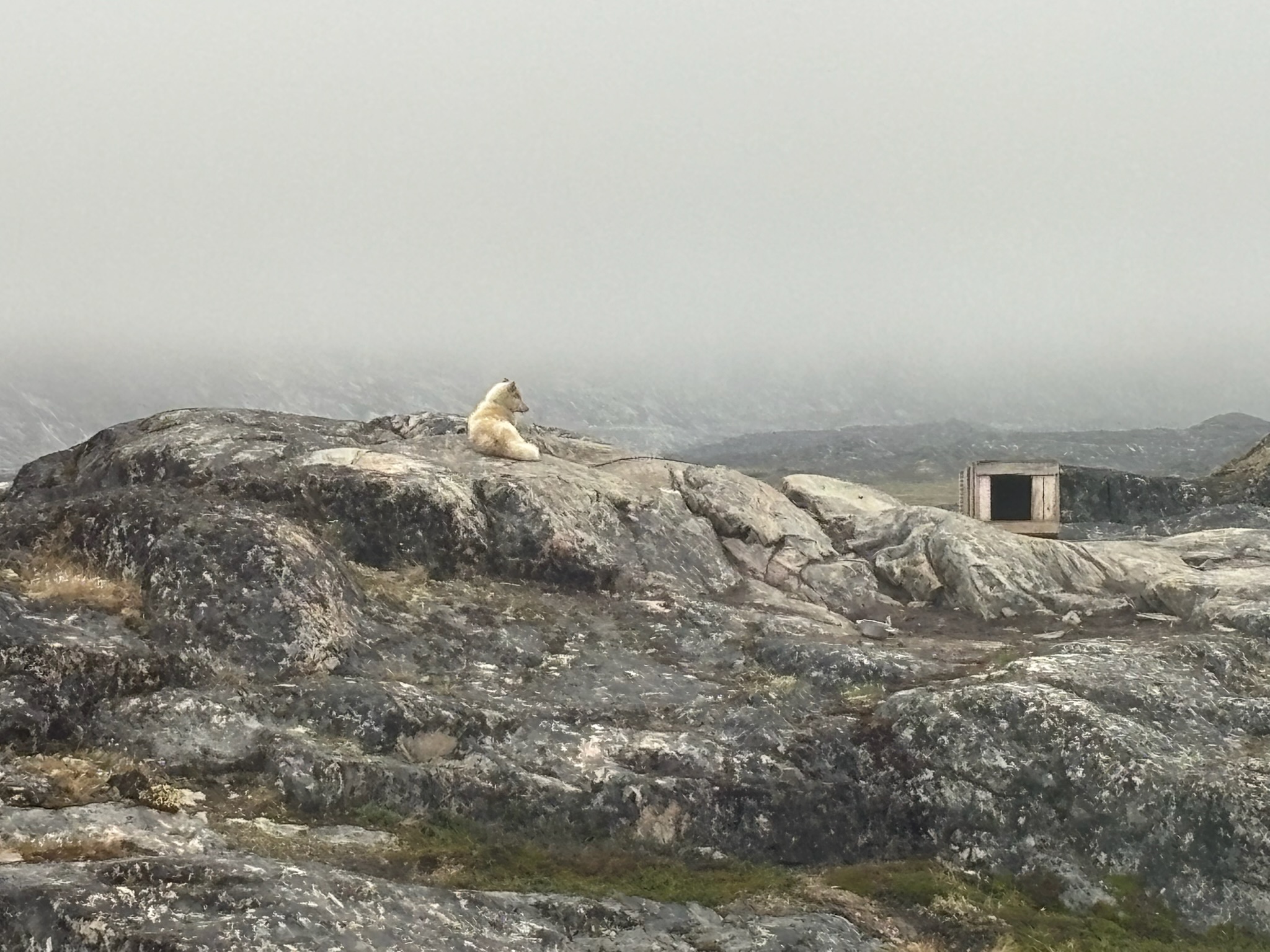
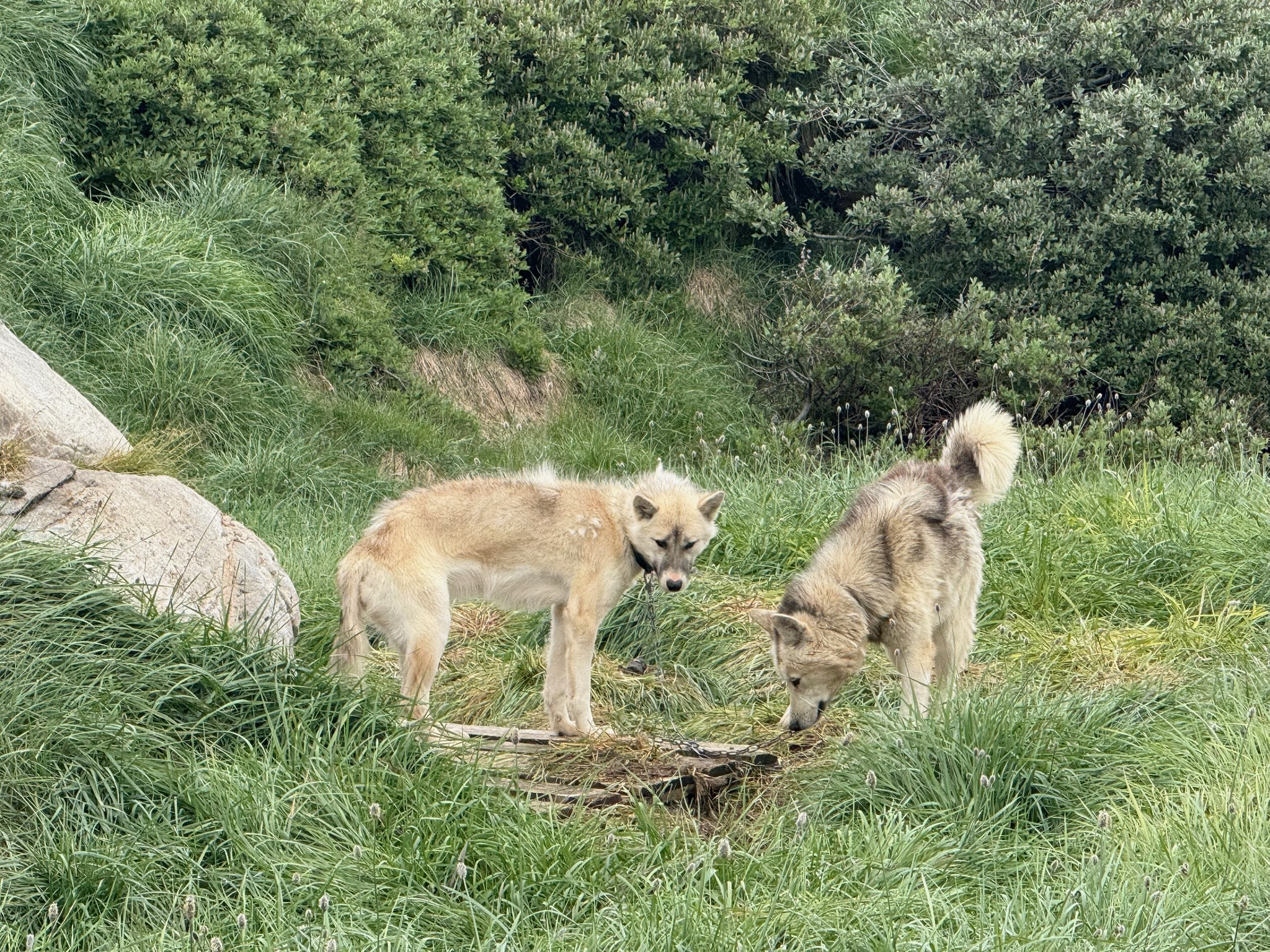
I could see sled dogs tied up outside the window. Apparently, they don’t get much to eat during the summer and become very thin while tied up. Apparently, this is a deliberate method of keeping them lean during the summer so that they will eat a lot and build muscle during the winter work season. It was hard to see them constantly tied up.
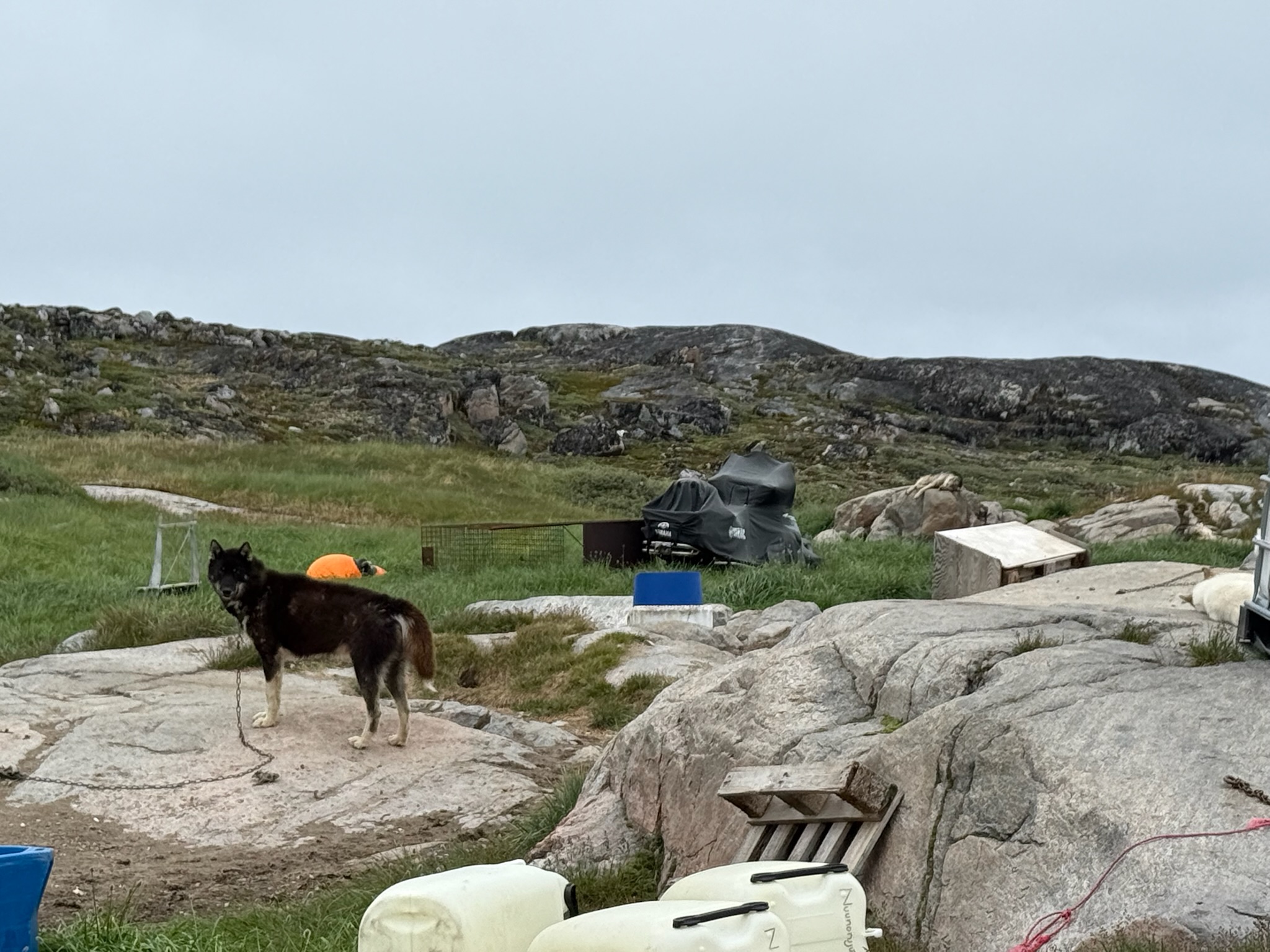
Also, it is considered inappropriate to touch or approach these local dogs as if they were pets. They are not particularly friendly, and are strictly raised to work. The Japanese-style “indoor” and “family pet” kinds of dogs are rare.
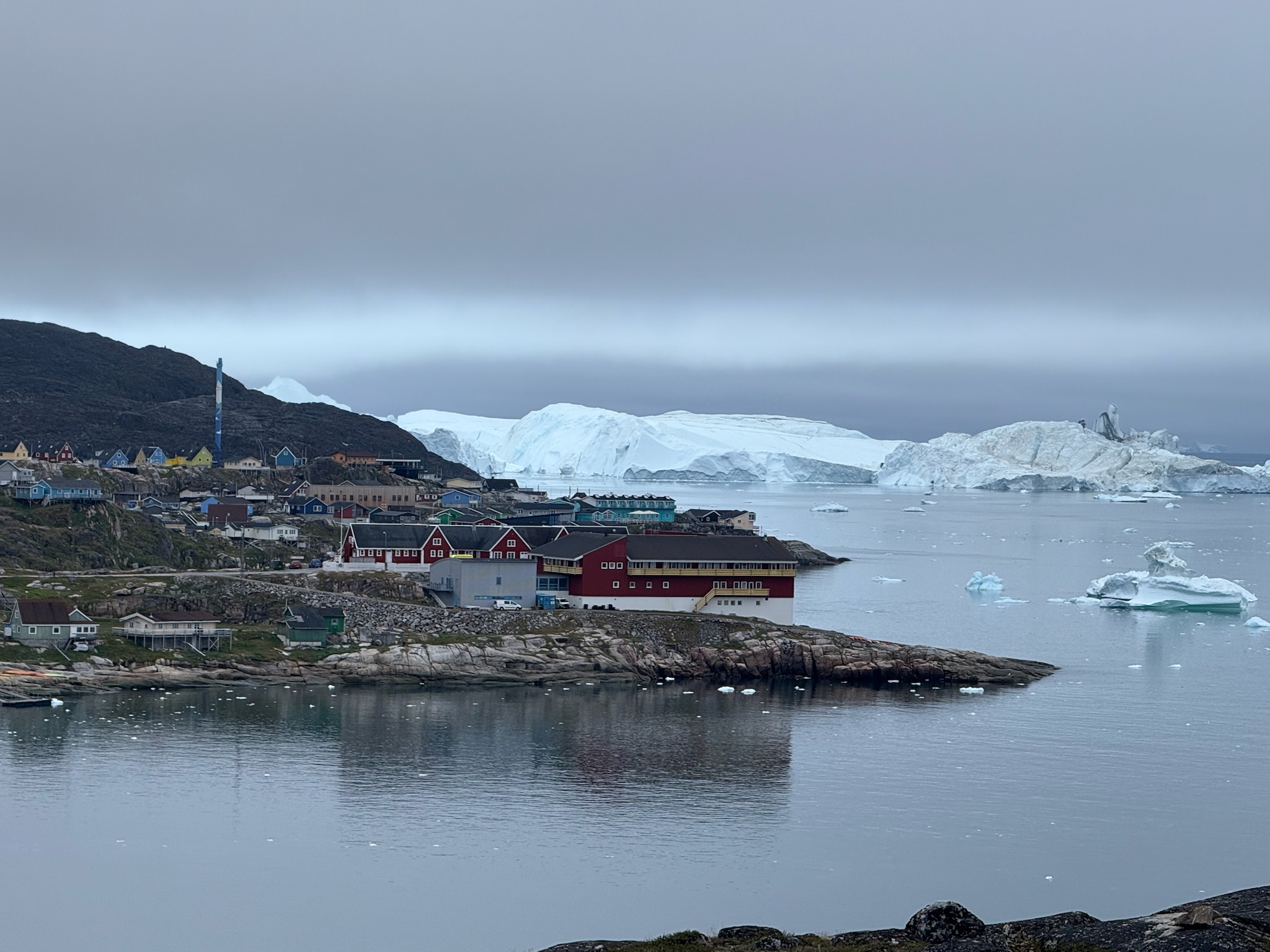
At Hotel Arcti, depending on your room, you can either look down over the town of Ilulissat,
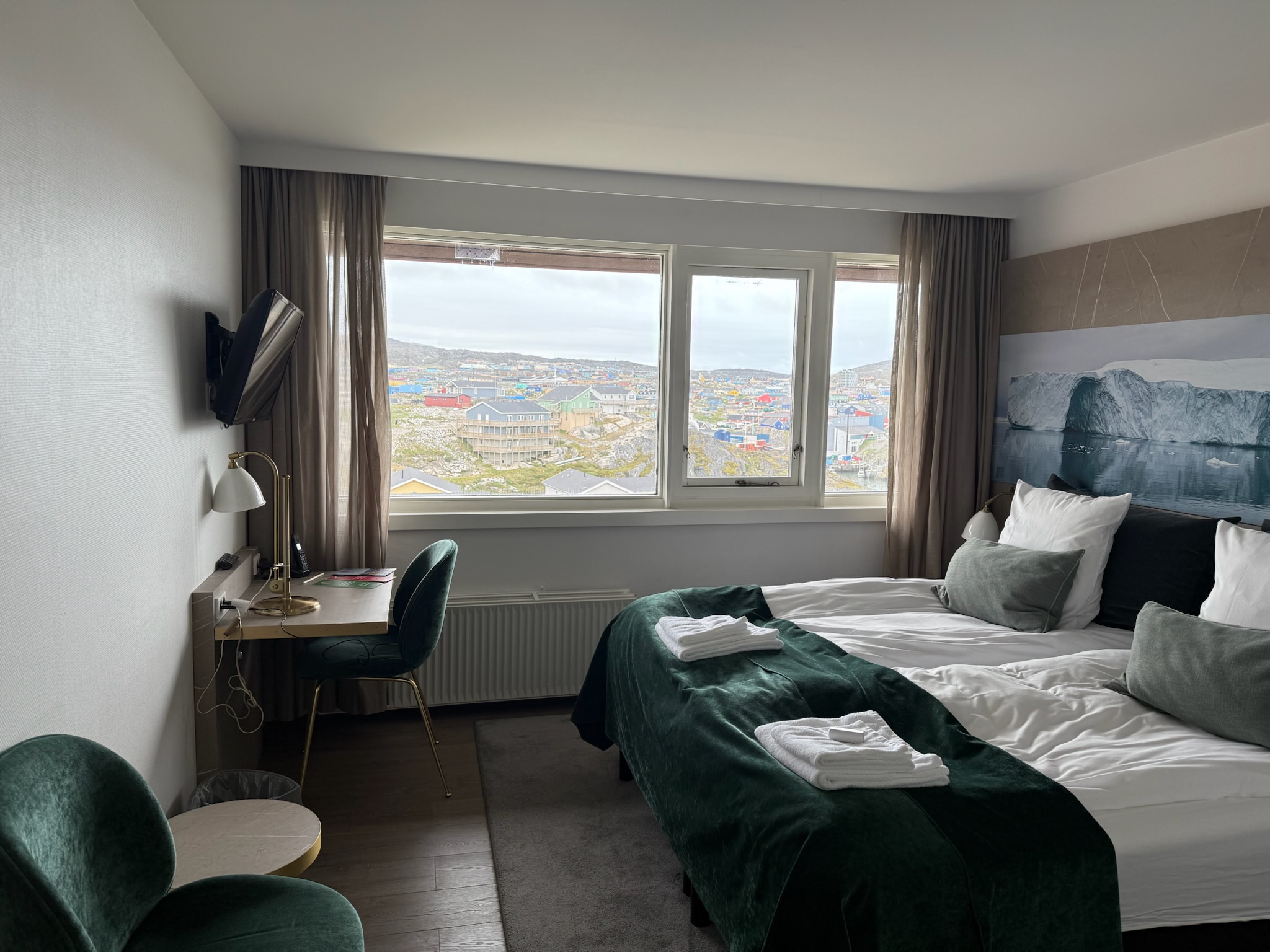
or enjoy a view of the glacier and icebergs at sea blending into a single landscape with the buildings on land. There are probably few places in the world where you can see nature and human life coexisting so closely.
◆Oqaatsut : A Village of 40 People with Only One Water Tap
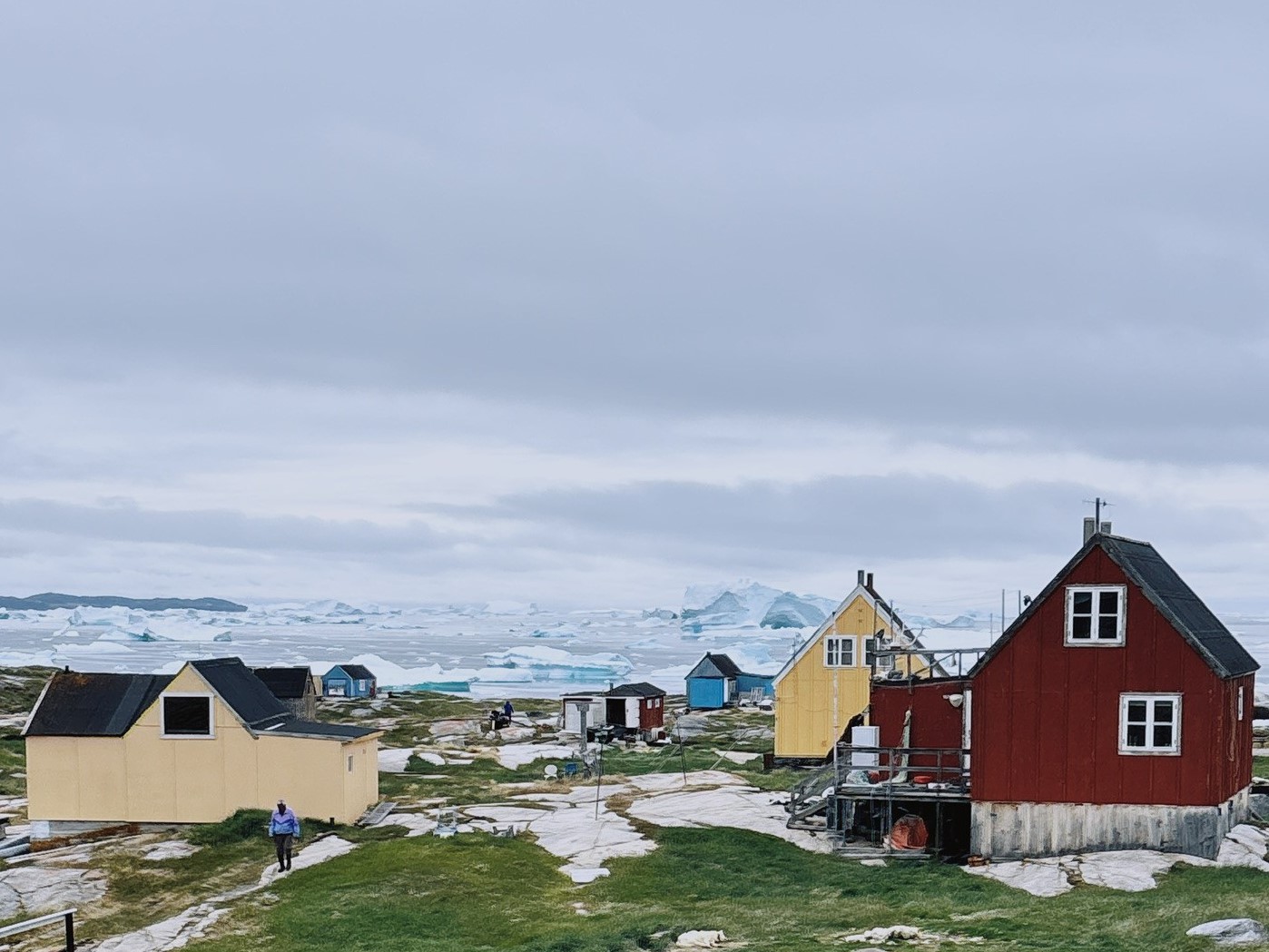
Our next destination is Oqaatsut. This small settlement of about 40 people lies roughly 15km north of Ilulissat. We are going there in a small boat.
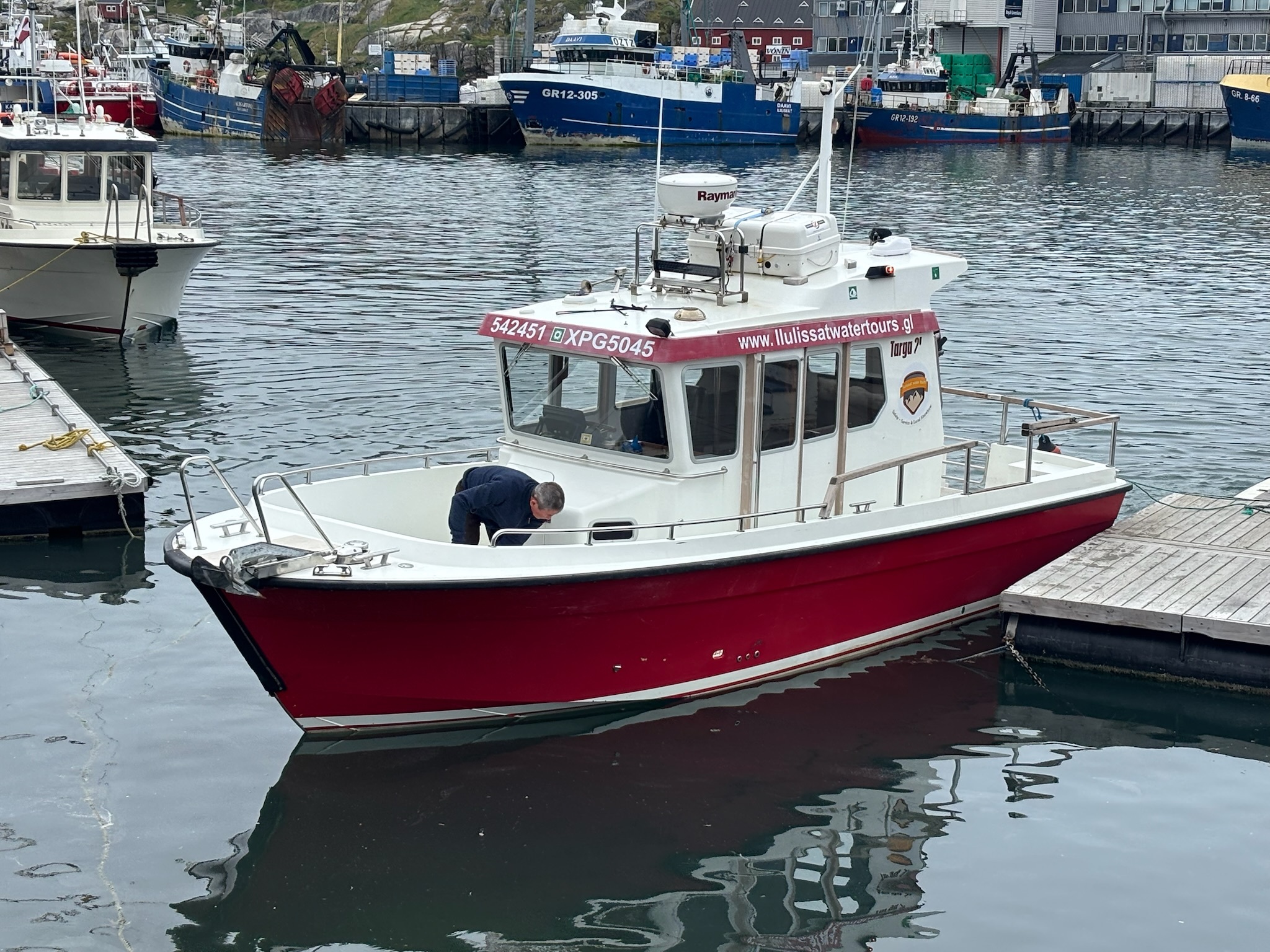
Setting off. A seascape of moving ice sculptures unfolds before our eyes.
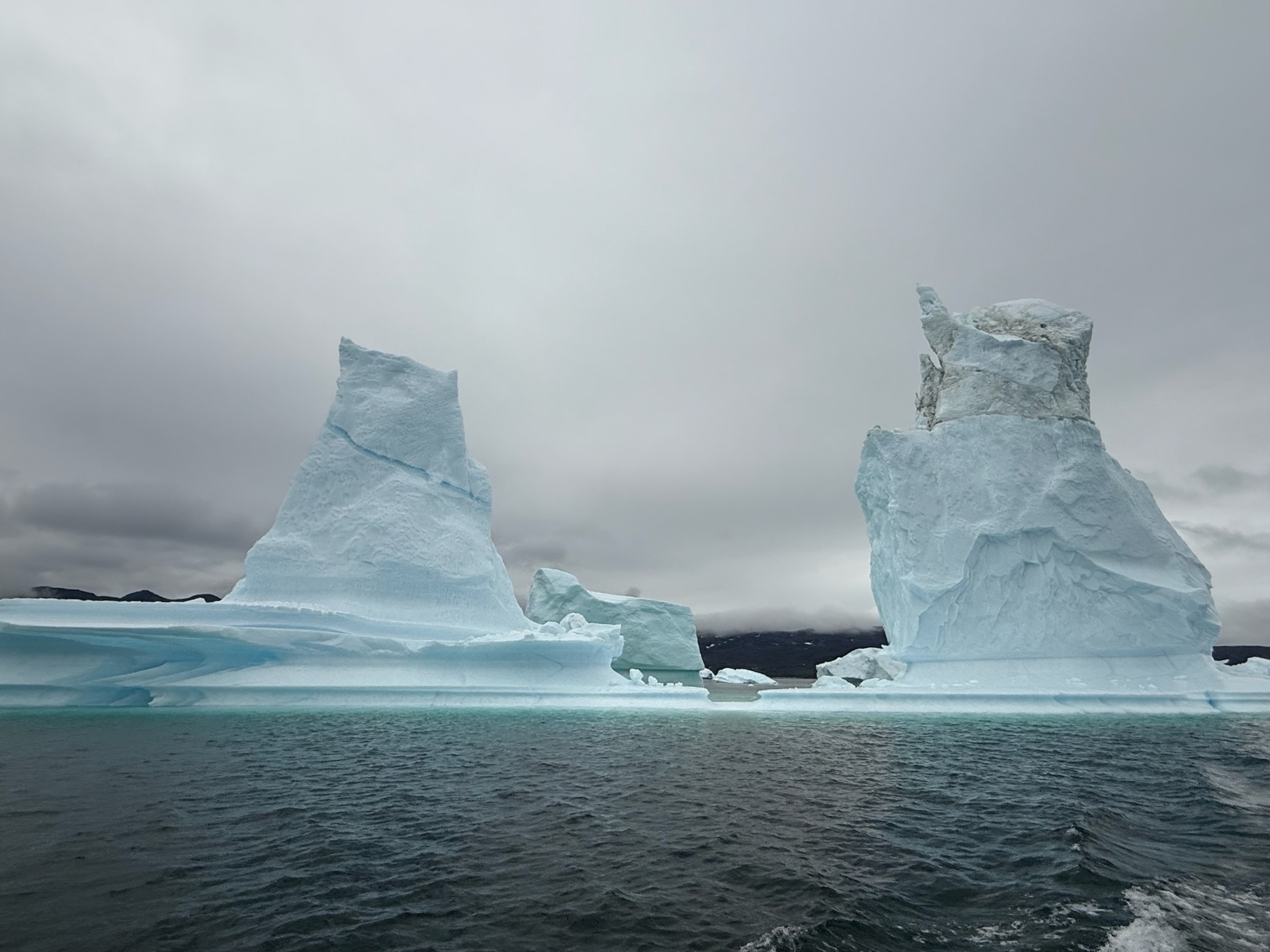
The floating ice pieces we see from the ship in Ilulissat Harbor are all icebergs broken off from glaciers. They range from towering icebergs to small chunks of ice.
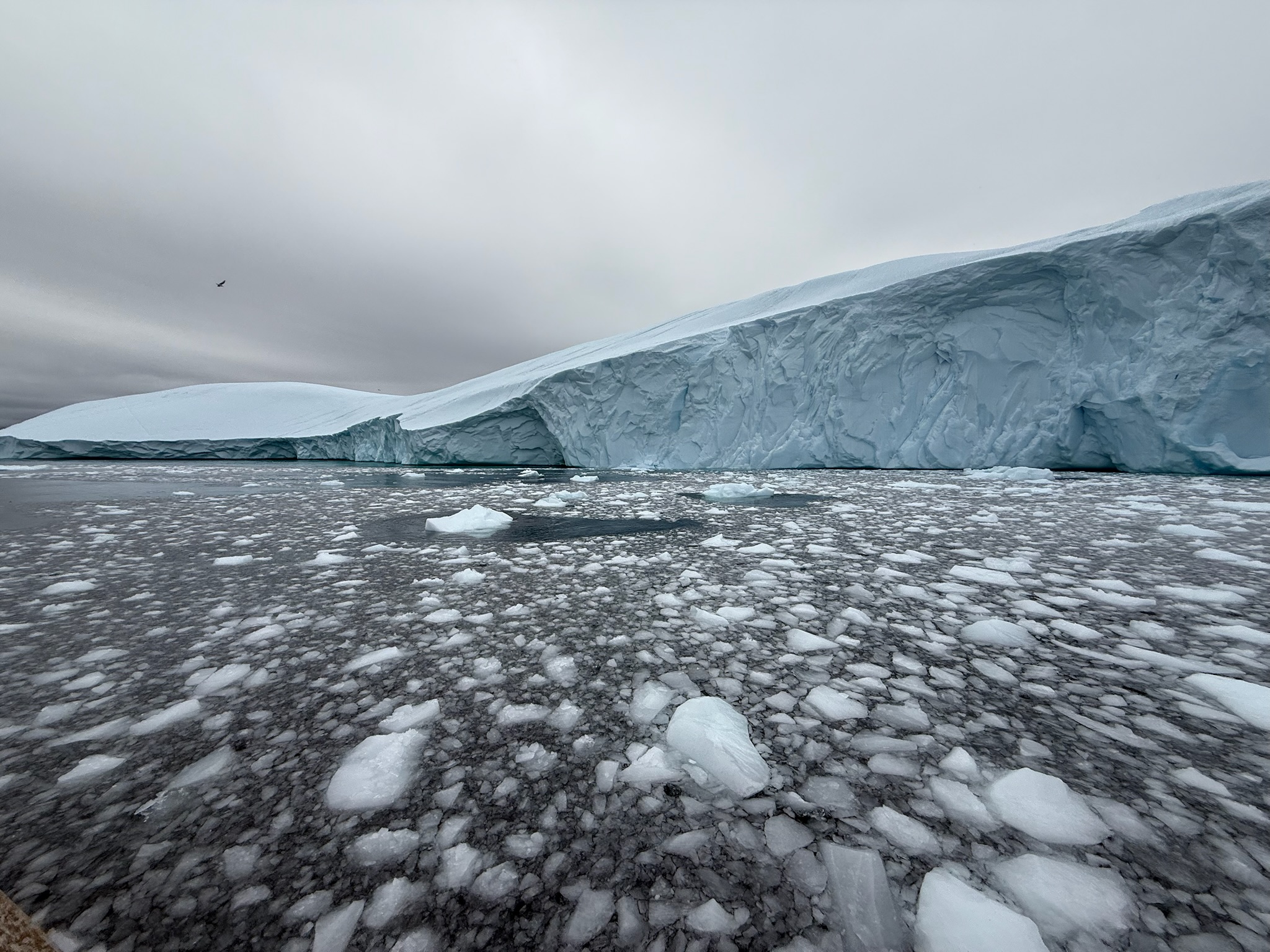
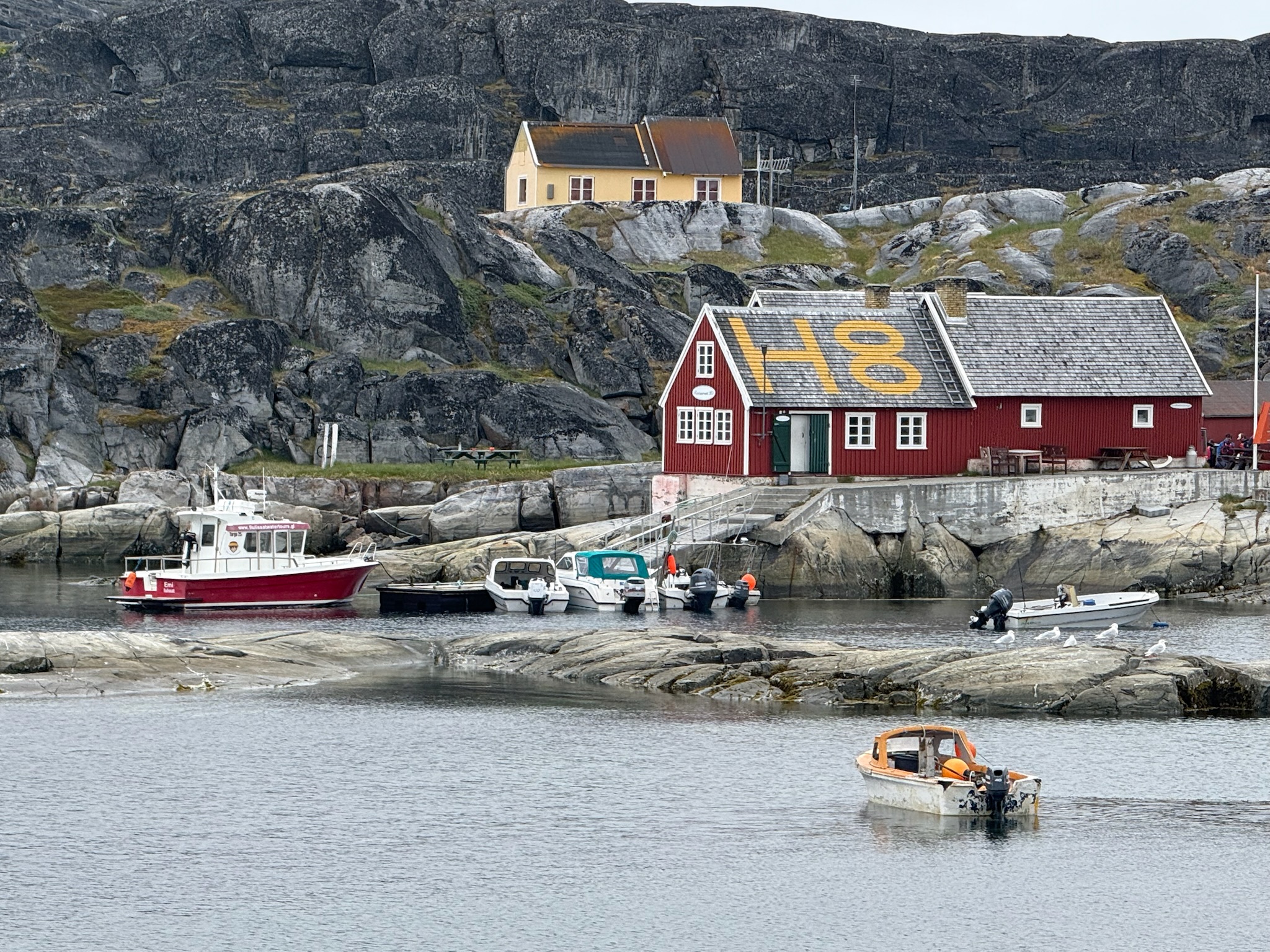
After a 30-minute boat ride past numerous magnificent icebergs, we finally arrive at Oqaatsut. Our first stop is the local restaurant “H8“. The restaurant’s name comes from H8, where helicopters dropped off food and supplies in the early 20th century .
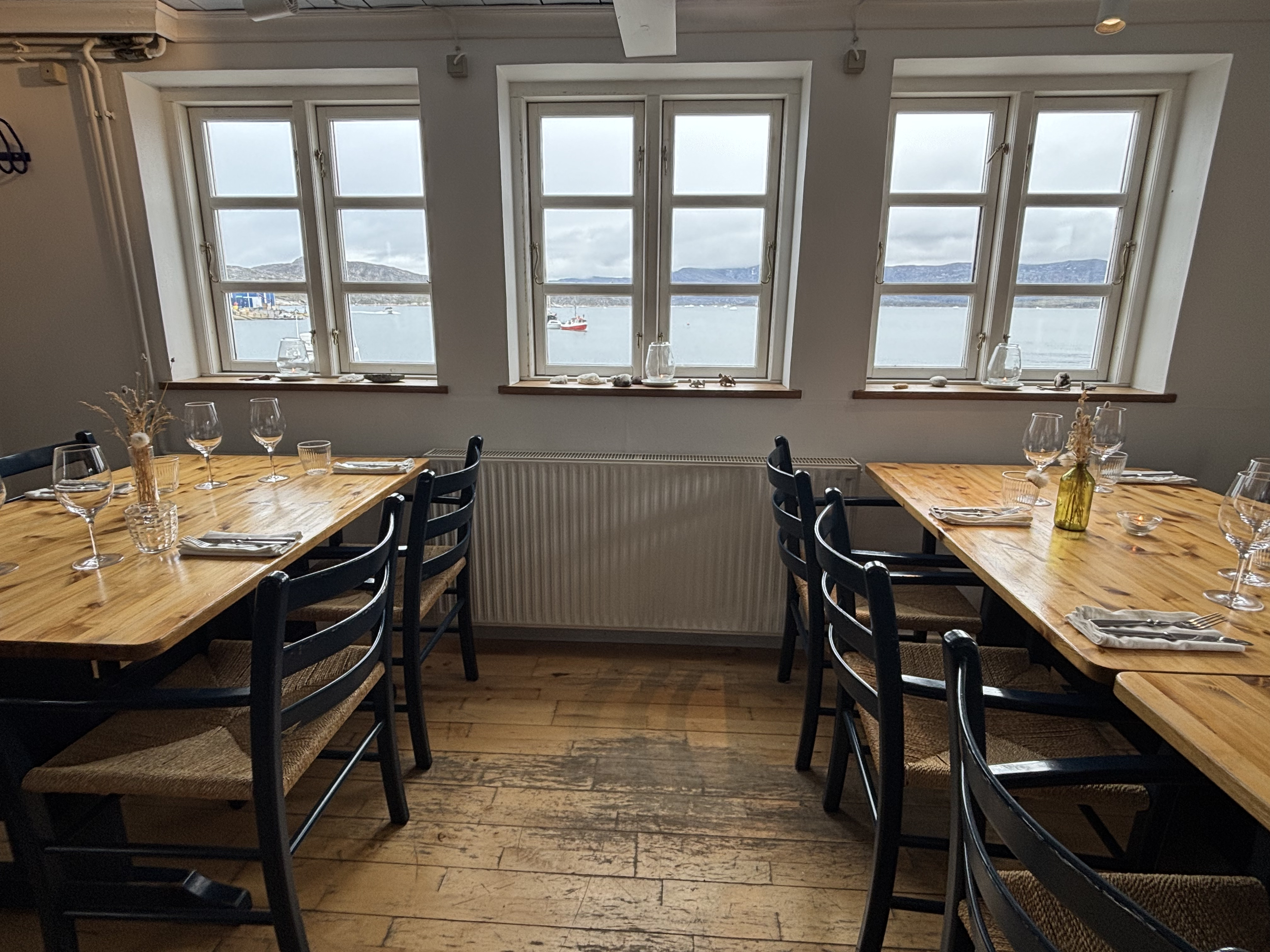
Stepping in the door, we were struck by the sophisticated interior. In stark contrast to the cold silence outside, the atmosphere was cozy and stylish.
There was only one choice on the lunch menu, and it was priced at 695 DKK (this varies depending on the season). Our lunch was a platter of two types of cold-smoked fish and two types of meat. The plate featured venison in the upper left, lamb in the upper right, halibut in the lower left, cod in the lower right, and shrimp caught in Disko Bay in the center.
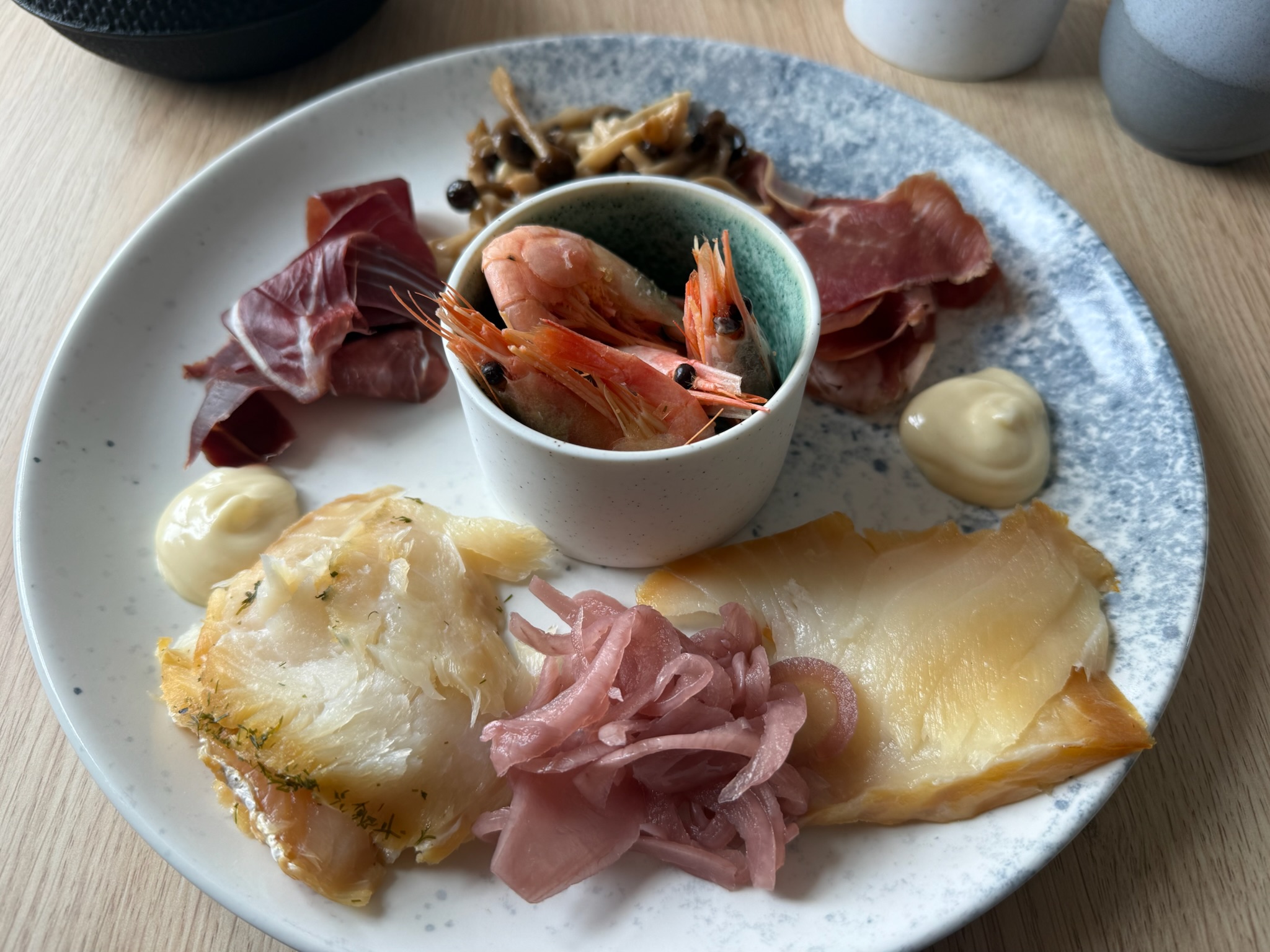
The natural flavors of each portion were vivid and delicious, and we enjoyed it all along with bread and herbal tea.
The waitress mentioned she only stays here for the four summer months of the year.

After lunch, we strolled through the village. The village has two restaurants, one of which is attached to a hotel. Although tourists come and go daily, it’s still quiet and peaceful.
Here too, we found sled dogs. In winter, dog sledding remains a vital means of transportation.
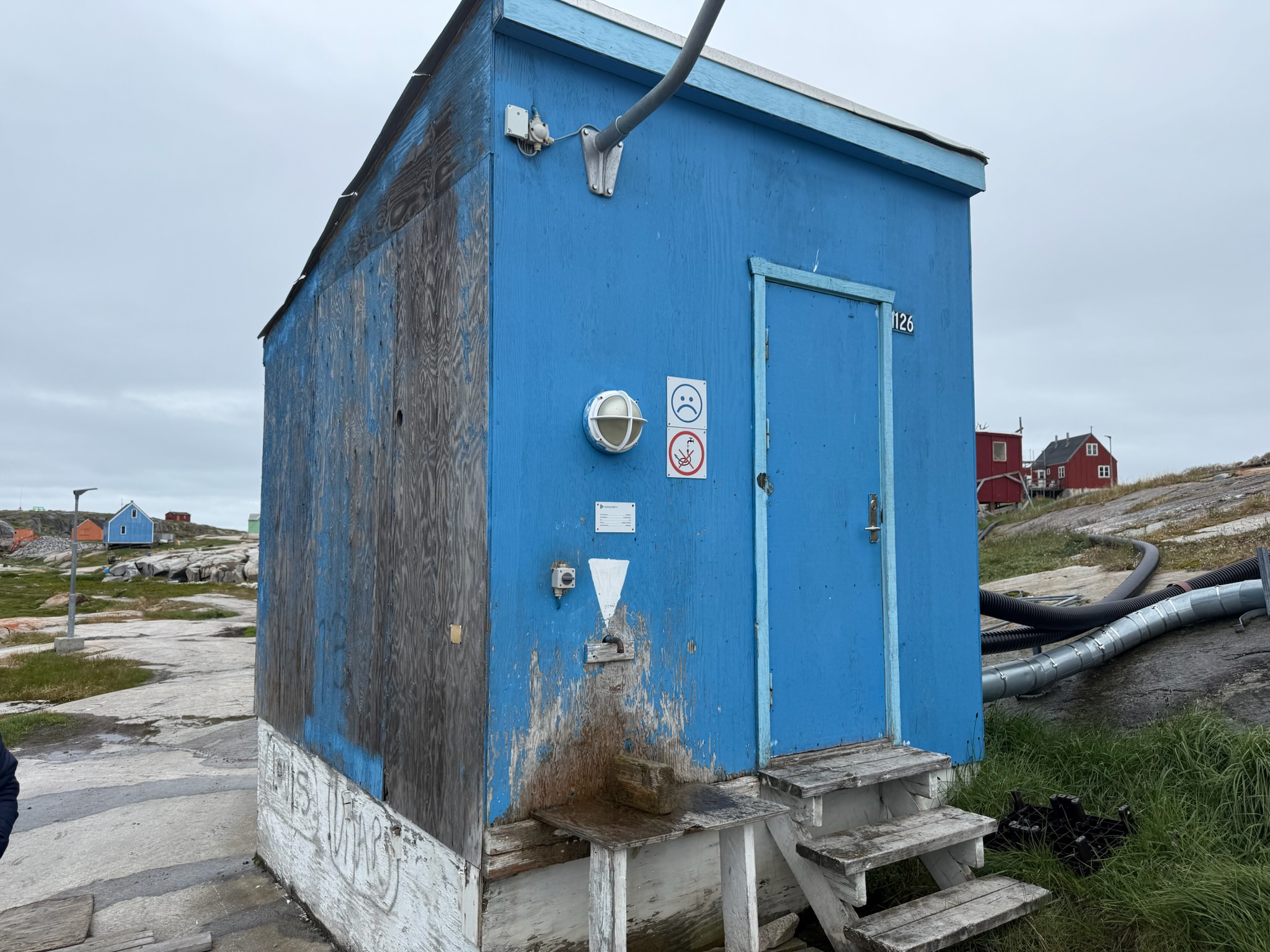
This is the only water supply in the entire town of Oqaatsut. The village has no running water; it relies on desalinated seawater. They have a harsh, but simple lifestyle, with everyone coming to get water from the sole tap in Oqaatsut. The restaurant’s restroom was also unique, featuring a simple toilet that didn’t use water.
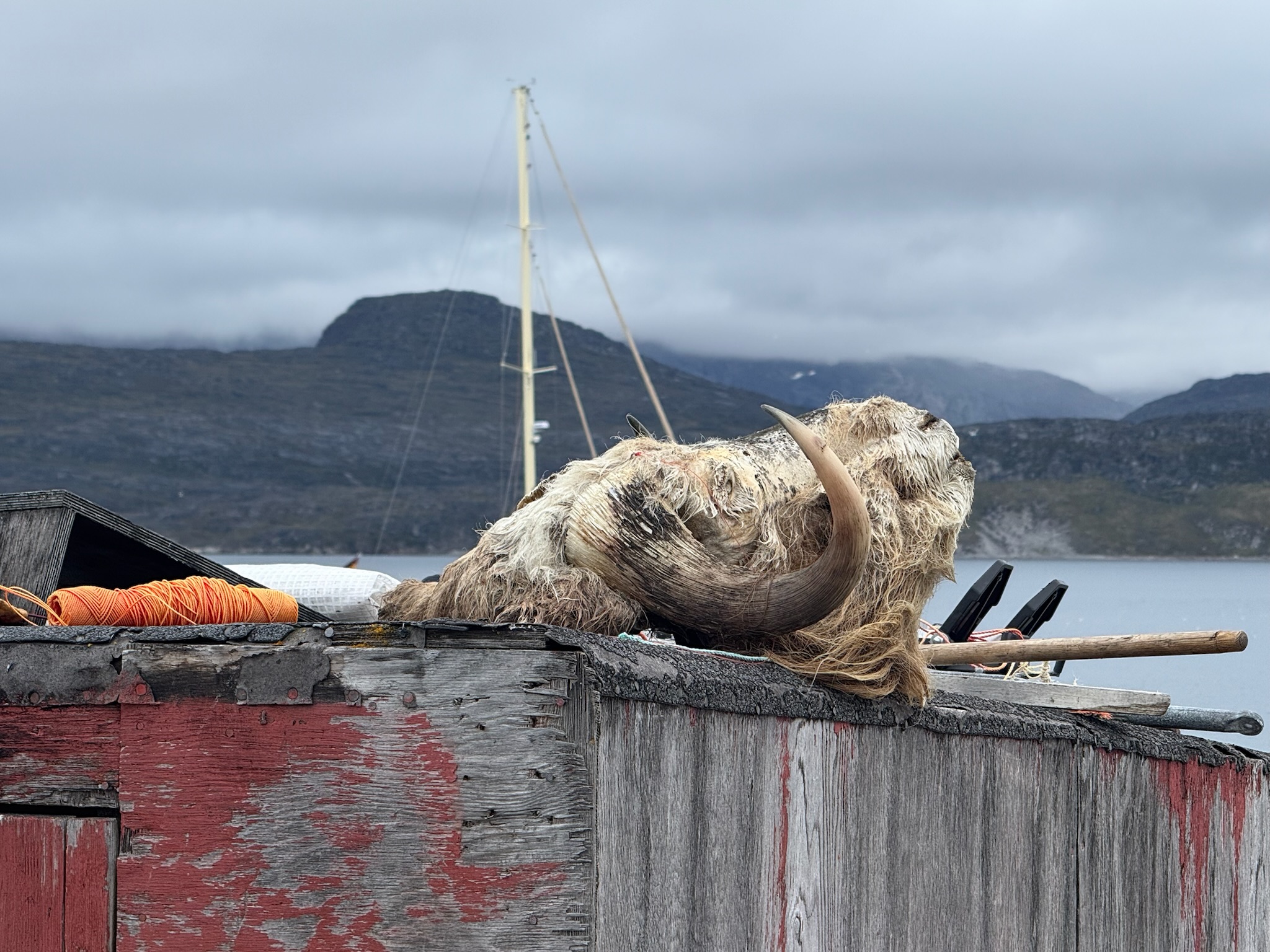
An abandoned musk ox head.
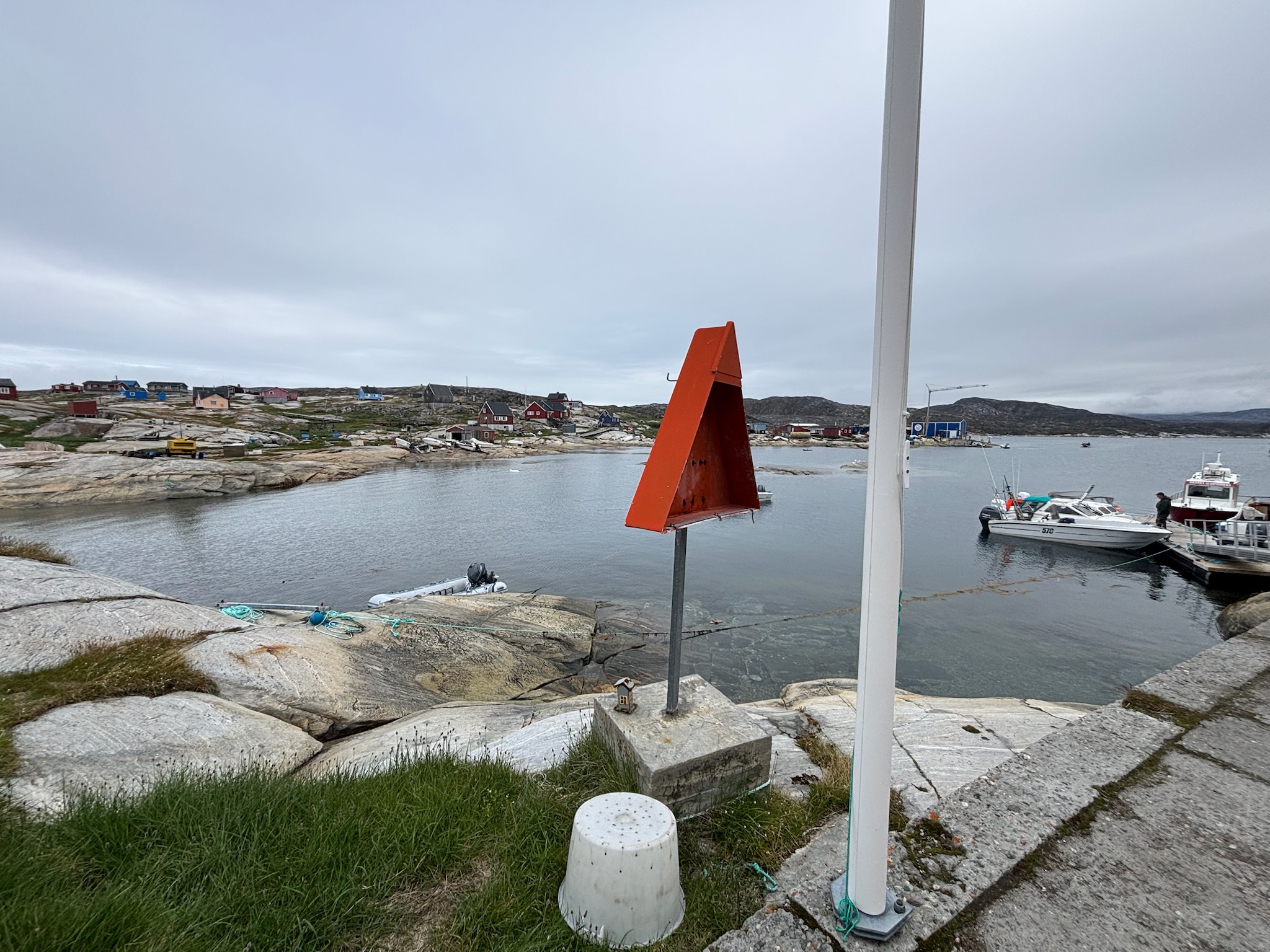
Do you know what this red triangle I saw in the port is? It’s a navigational marker (a daymark) for ships. It’s a visual marker to indicate a reef, or the port entrance or some other navigational information. While not as elaborate as a Japanese lighthouse, it’s still an extremely important safety aid in Greenland, where there is a lot of ice and rocks.
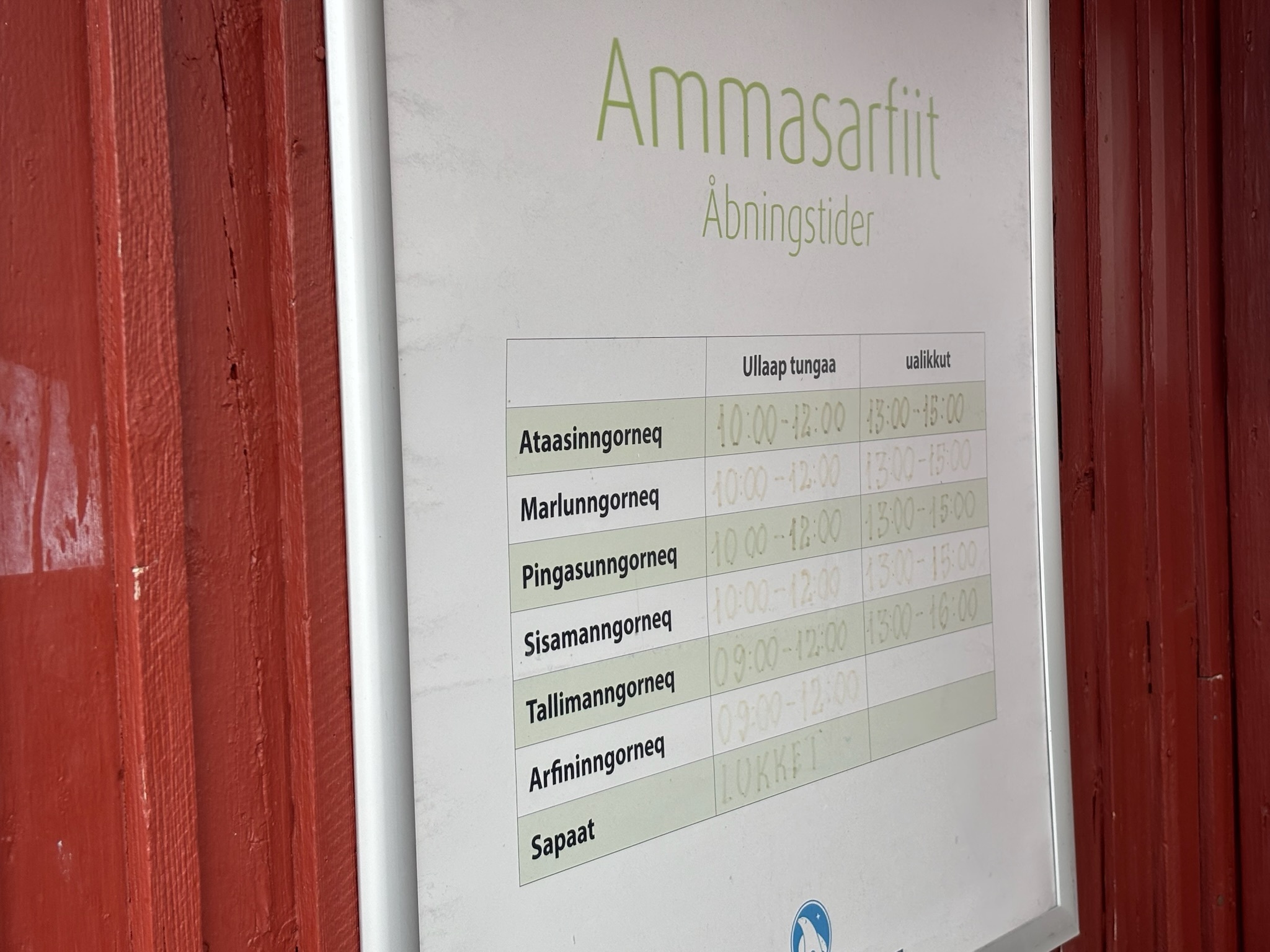
We visited the only supermarket in Oqaatsut, “Pilersuisoq”. This is the only place you can buy food or other daily necessities. It’s open five and a half days a week, averaging 8 hours/day.
They had Nissin Cup Noodles. They even had soba cup noodles, which I haven’t seen in Japan! The price was 22.95 DKK.

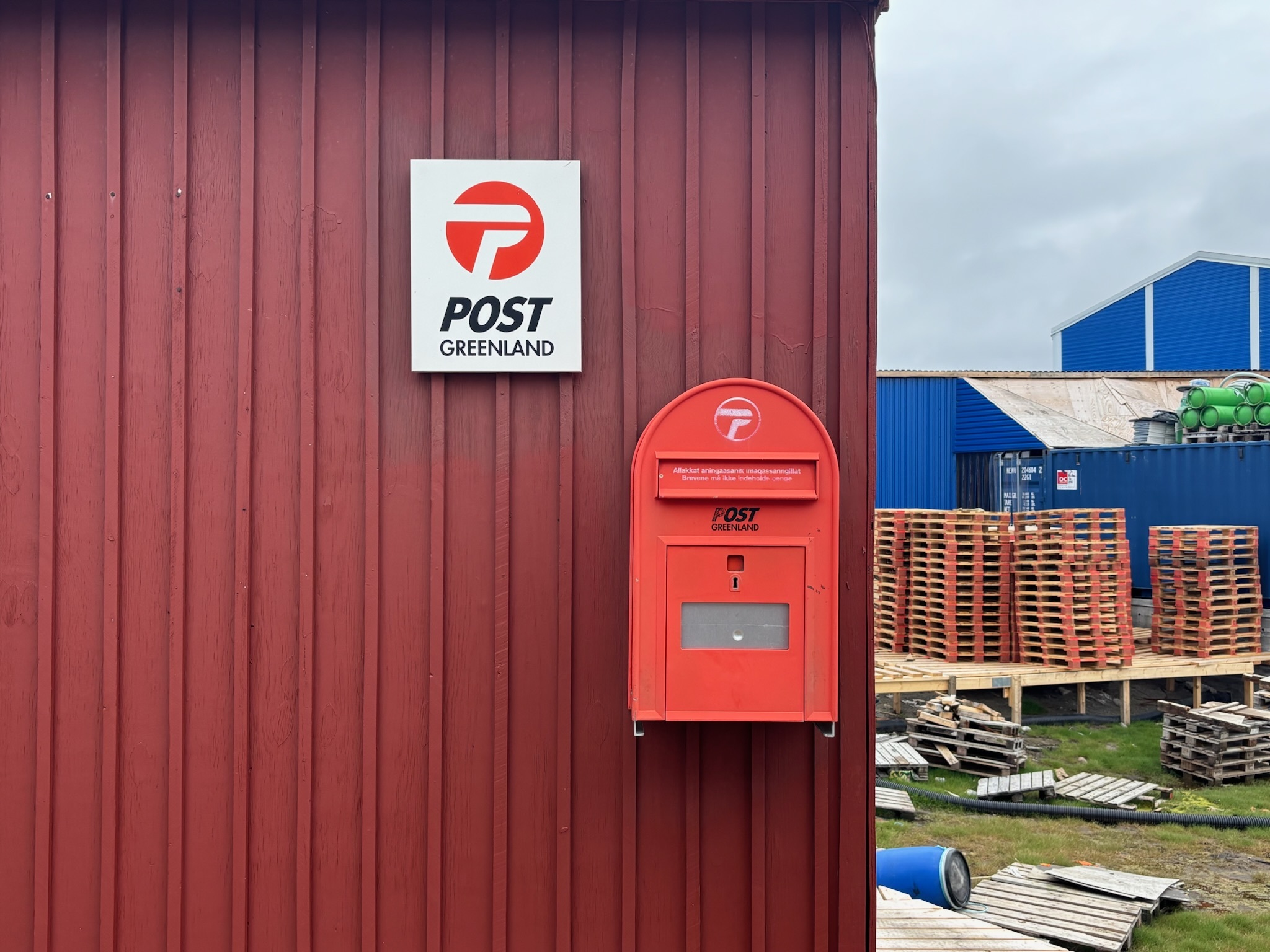
Oqaatsut has a post office attached to the supermarket. I thought it would be fun to send a postcard as a souvenir, but when I asked, I was told curtly, “It will take a long time to arrive.” I didn’t want to make difficulties for anyone, so I gave up.
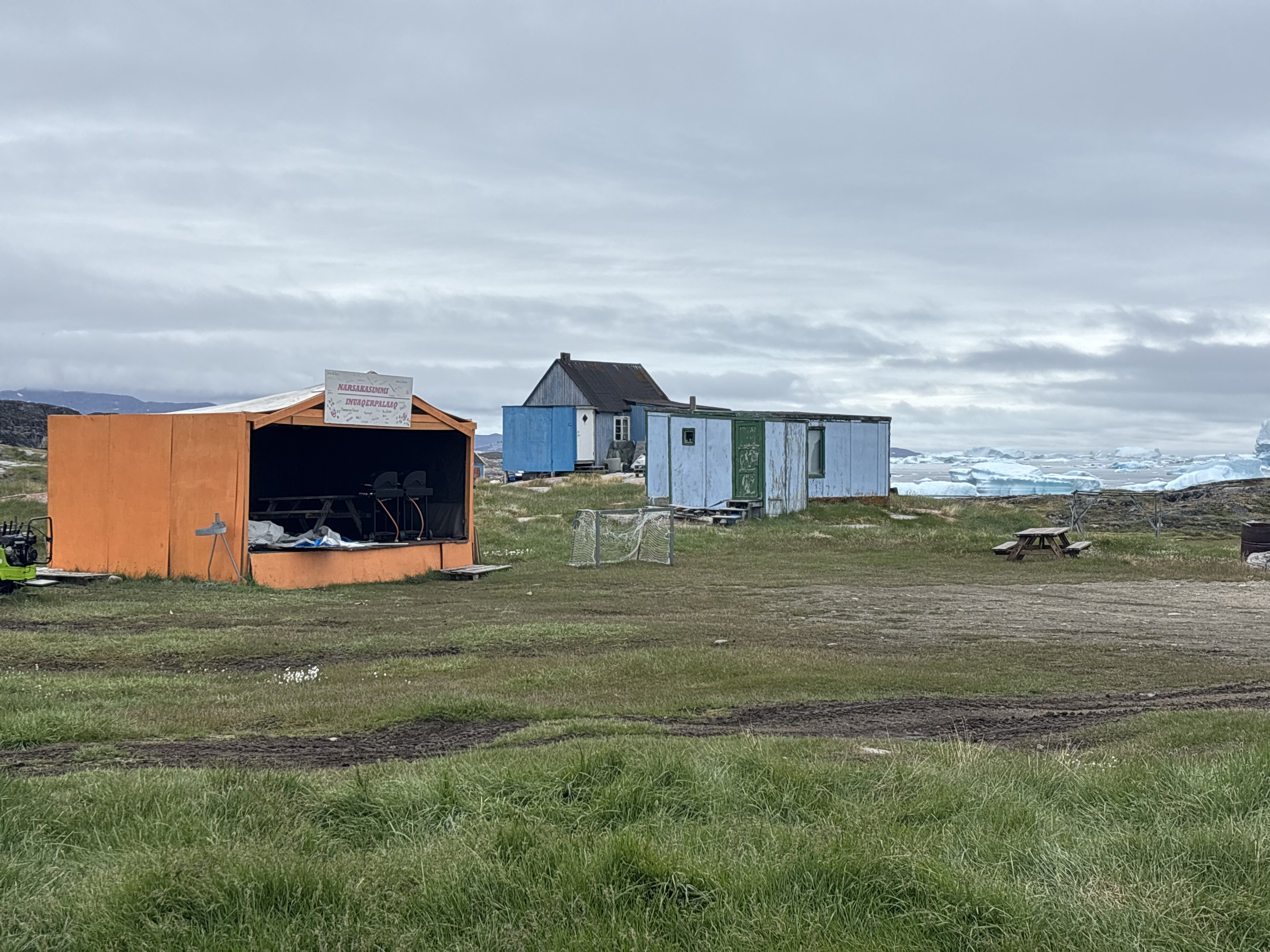
Oqaatsut also has a small concert pavilion where music festivals are held about three times a year. Do artists from around the world, captivated by the majestic glaciers, come here to sing? The band Nanook, whose band-member I met at the record store in Nuuk, might perform on this stage.
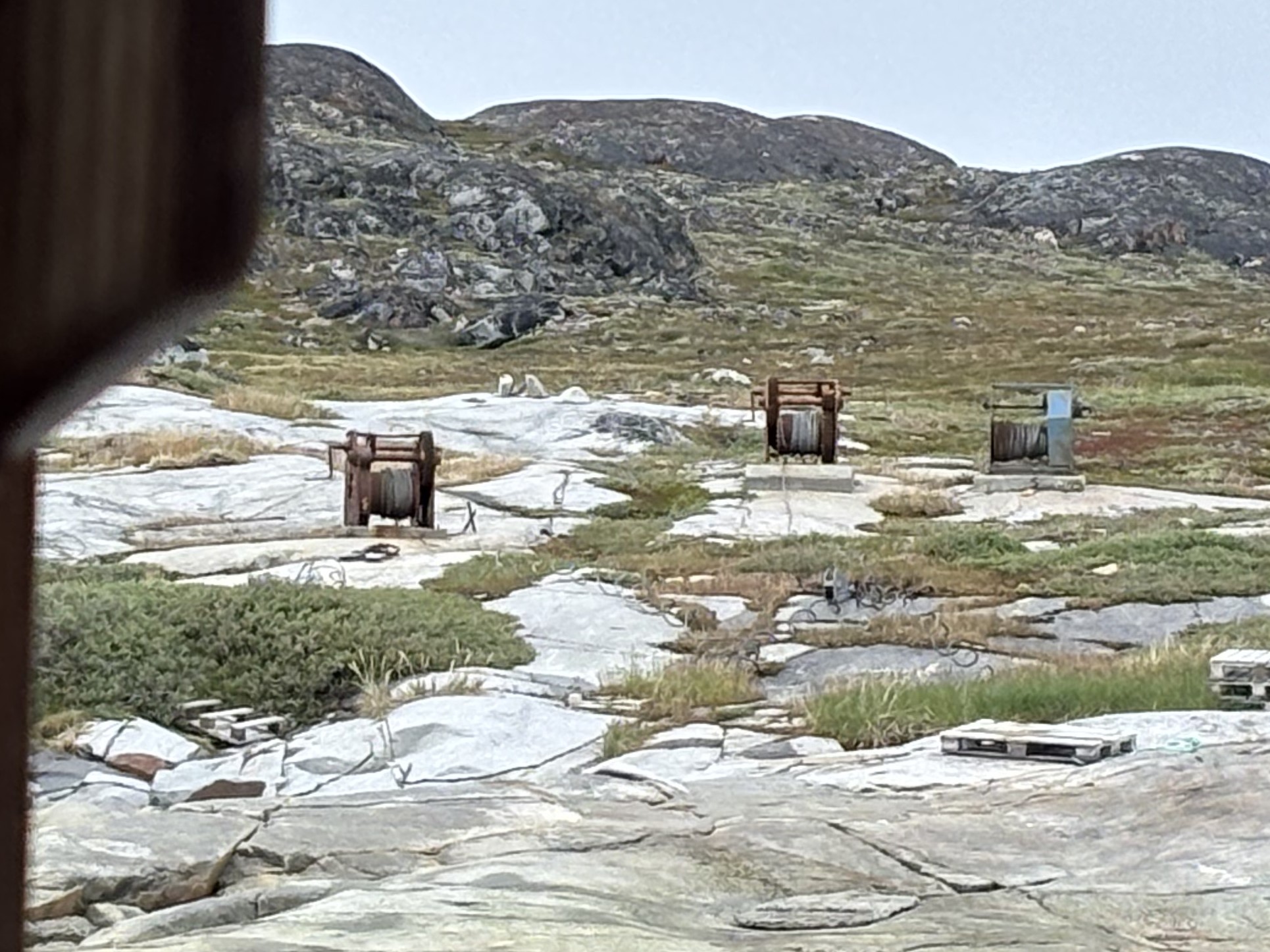
The main industry in Oqaatsut is fishing. There used to be a fish processing factory in the village, but it moved to Ilulissat. Nevertheless, the locals have established a new company and continue to process fish, determined to continue their traditional way of life. Equipment used to haul whales ashore, used since the 17th century, rests quietly on the shore, a reminder of the area’s history as a key whaling center.
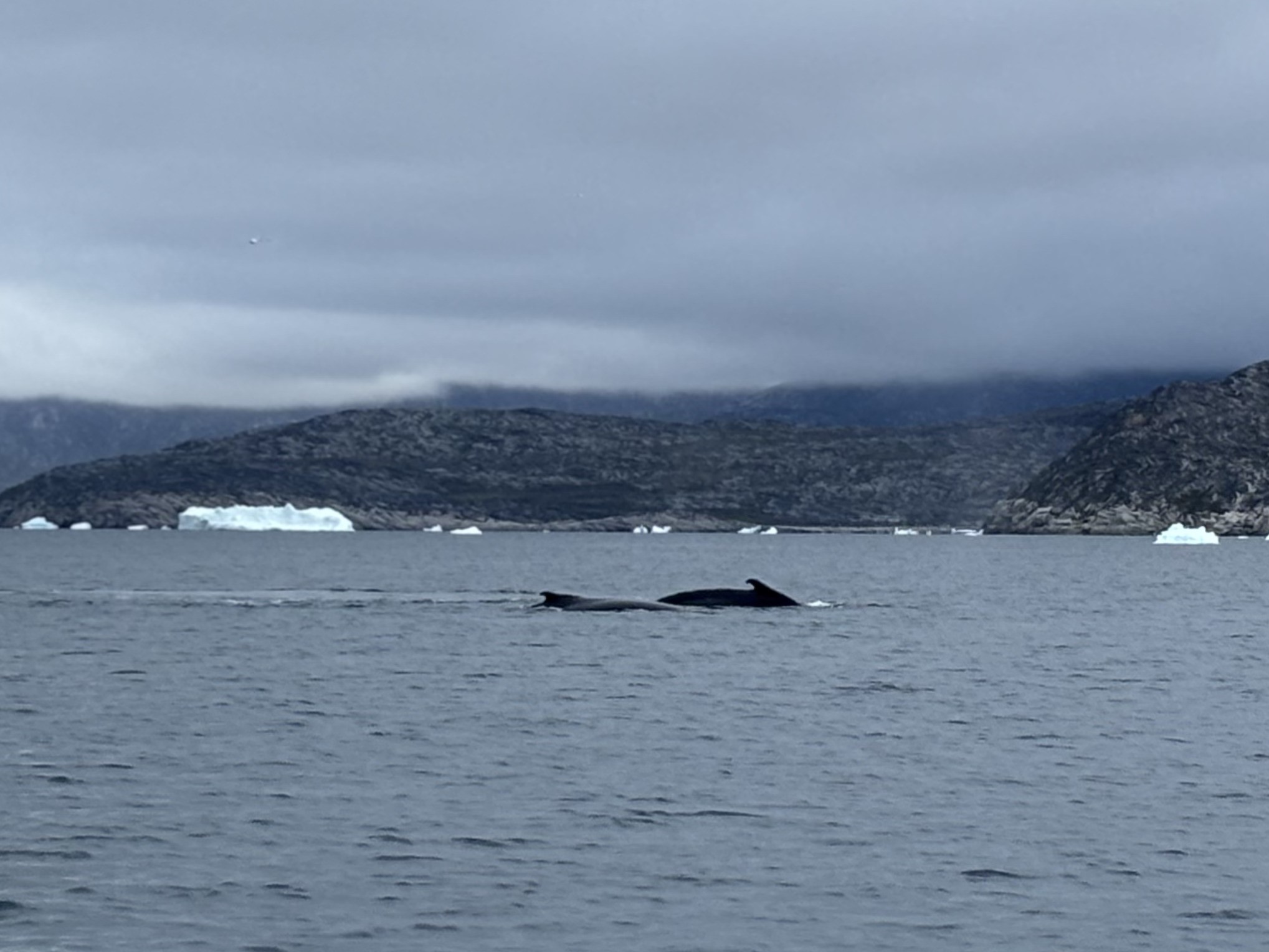
On our boat ride back, we encountered a mother humpback whale and her calf. The majestic sight of them swimming closely together took my breath away.
◆“Inuit Café”, the Place to Enjoy Musk Steak
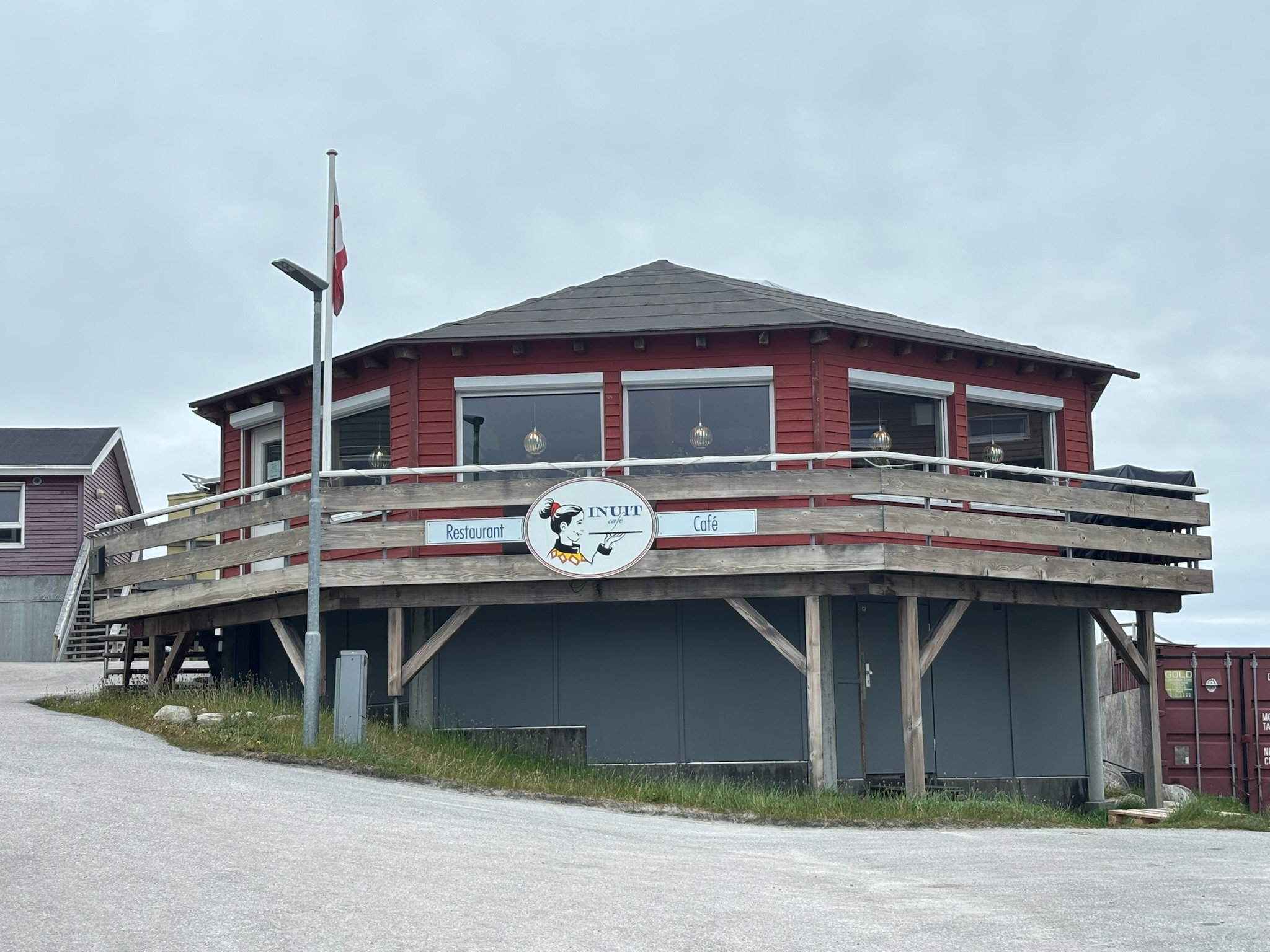
Returning to Ilulissat, we headed to the aptly named “Inuit Café”.
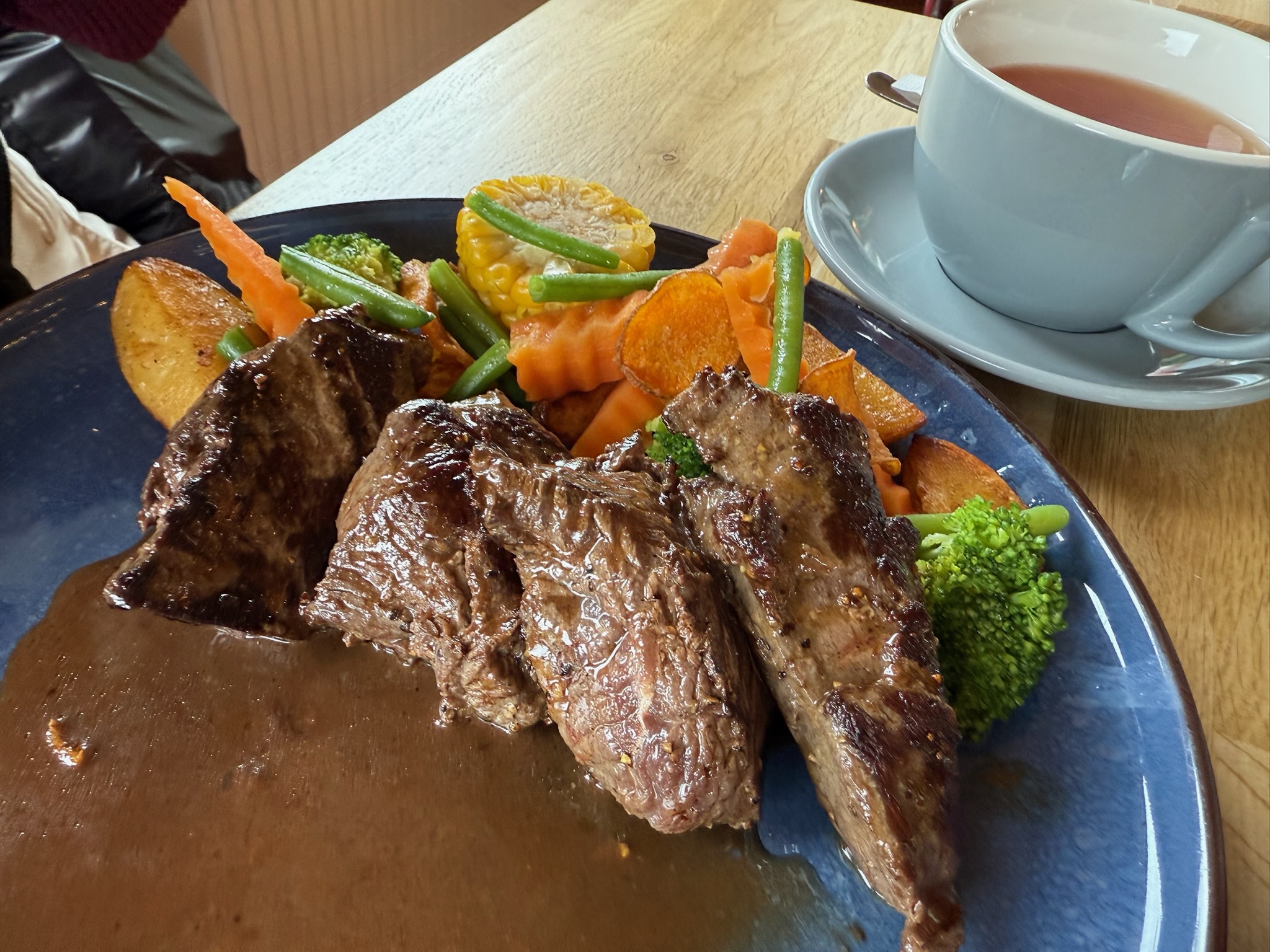
On the menu was something we don’t see every day, musk steak for 285 DDK . Musk are the source of “musk” an ingredient famously used in perfumes. I took a bite, expecting a strong flavor. It was wild but tender, and I was impressed by the subtle flavor that lingered in the aftertaste.
This is whale steak, 285 DKK. The flavor of the meat was quite strong, although the seasoning was simple. It has a slightly gamey taste, so opinions may be divided.

US President Trump has said, “Greenland has great potential, but the Danish government is not making the most of it” and when you visit the country, you can understand why some people hold this view in terms of resources, geography, and social structure. There are many characteristics of Greenland that are not recognized by the international community.
◆Finding .gl Around Town
The domain “.gl” was once used for Google’s official services. In 2010, Google launched the URL shortening service “goo.gl”. This service, which converted long URLs into compact ones, was extremely convenient and widely used around the world. Unfortunately, it was discontinued in 2018. Below are some “.gl” domains that we saw around Greenland.
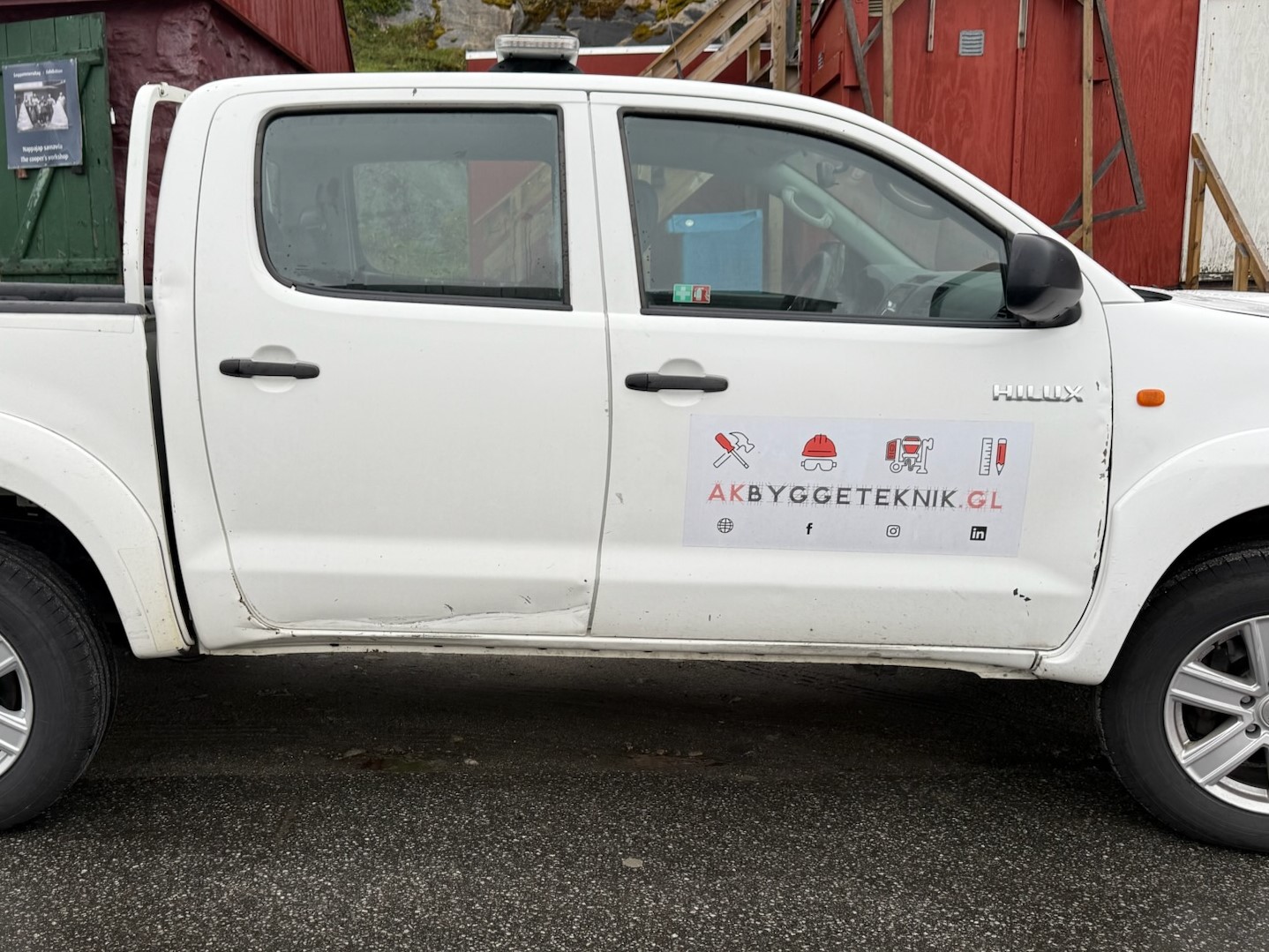
AK Byggeteknik ApS, a construction and engineering company based in Nuuk.
Nuuk Taxi A/S (363636), a taxi company in Nuuk. The number in their name (363636) is also their phone number.

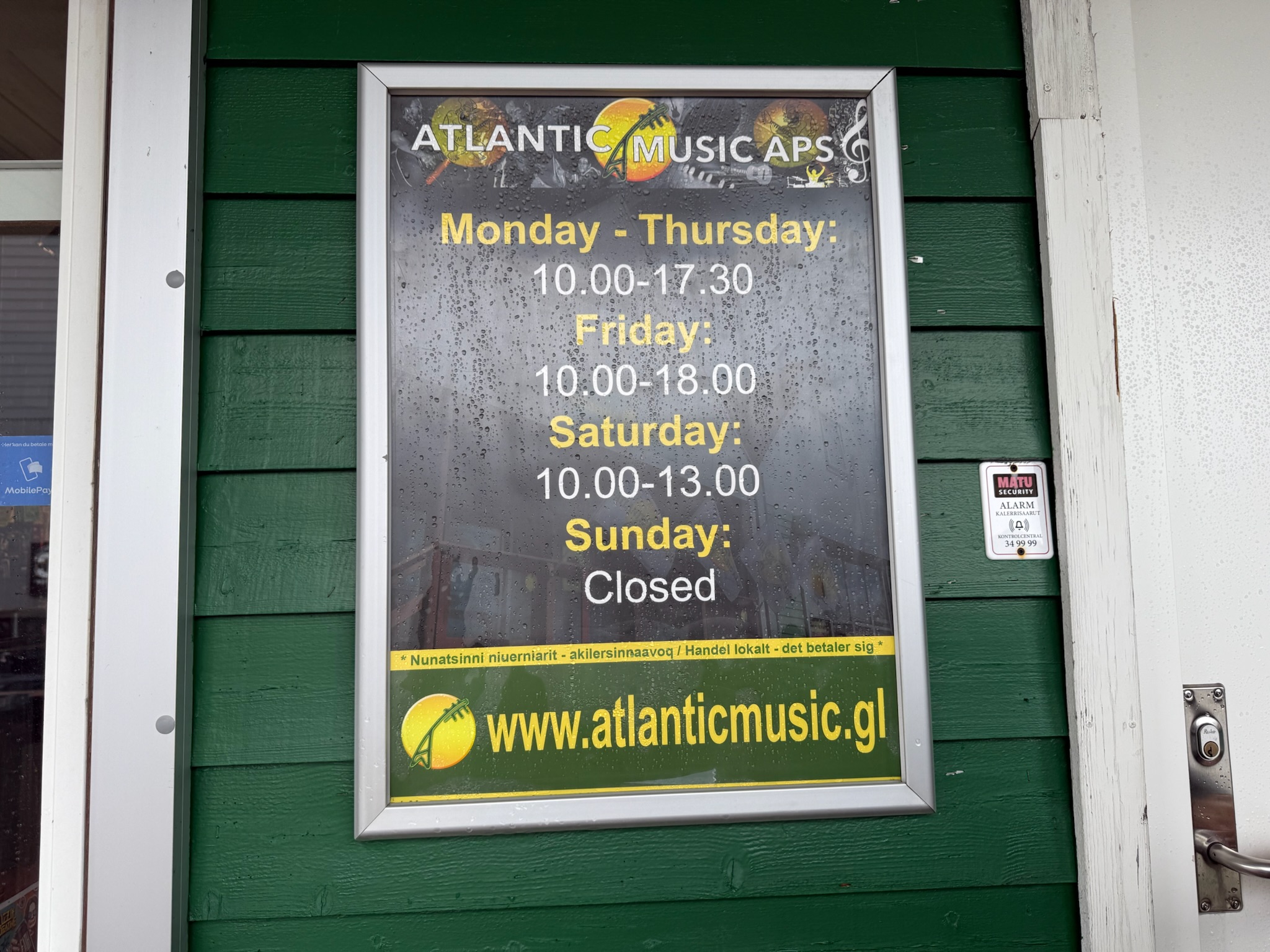
Atlantic Music ApS, Greenland’s only record store, which was also visited by the Domain Expedition. Incidentally, “ApS” (Anpartsselskab) refers to a limited liability company, closer to a Japanese ‘LLC’ than a “Kabushiki Kaisha” (corporation).
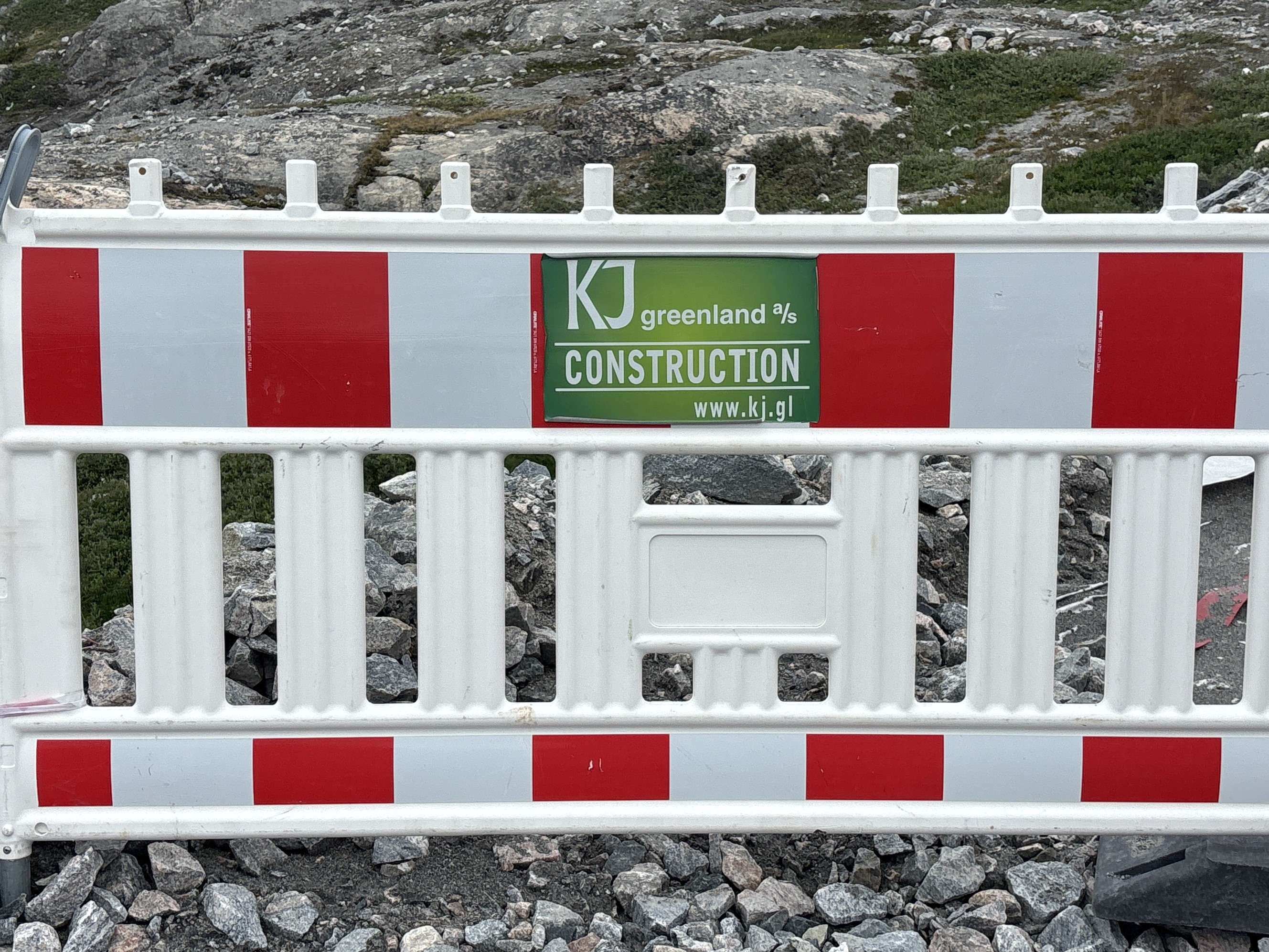
KJ Greenland A/S, a company that handles comprehensive construction and civil engineering work.
“A/S” indicates the type of legal entity in Denmark and Greenland: a joint stock company.
◆Local SIM Speed Test
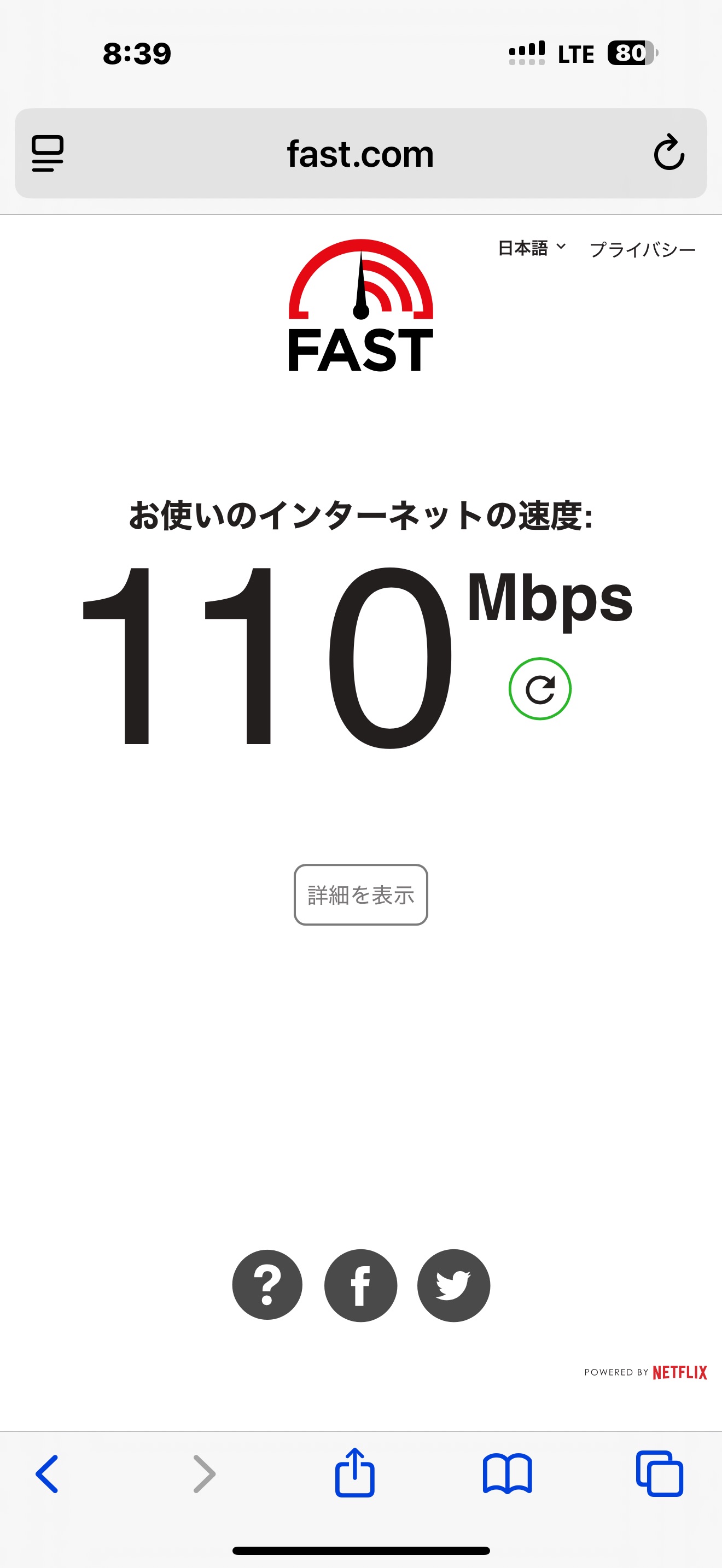
European eSIMs are generally not usable in Greenland, you will need to purchase a specific one for Greenland. The Domain Expedition Team had three types of eSIM ready in advance: Airalo, TMI, and Saily. However, upon arrival, TMI and Saily would not connect. In the end, only Airalo worked, with a speed of 110Mbps.